Watt Saving Pro Review 2026: Is It A Scam? Exposing The Fake Electricity‑Saving Device
As household electricity costs keep climbing, many shoppers search online for quick, low‑cost gadgets to bring down monthly utility bills. Watt Saving Pro exploded across Facebook, Instagram and TikTok feeds, marketed as a revolutionary plug‑in box that can slash home electricity costs by as much as 90%. Promotional content even falsely ties the product to Elon Musk and Tesla technology.
After digging through landing pages, ad archives, consumer complaints and technical facts, our independent investigation reveals this product is a classic online scam. In this full review, we cover its deceptive marketing tricks, what is actually inside the unit, red‑flag warning signs, and what you can do if you already placed an order.
What Exactly Is Watt Saving Pro?
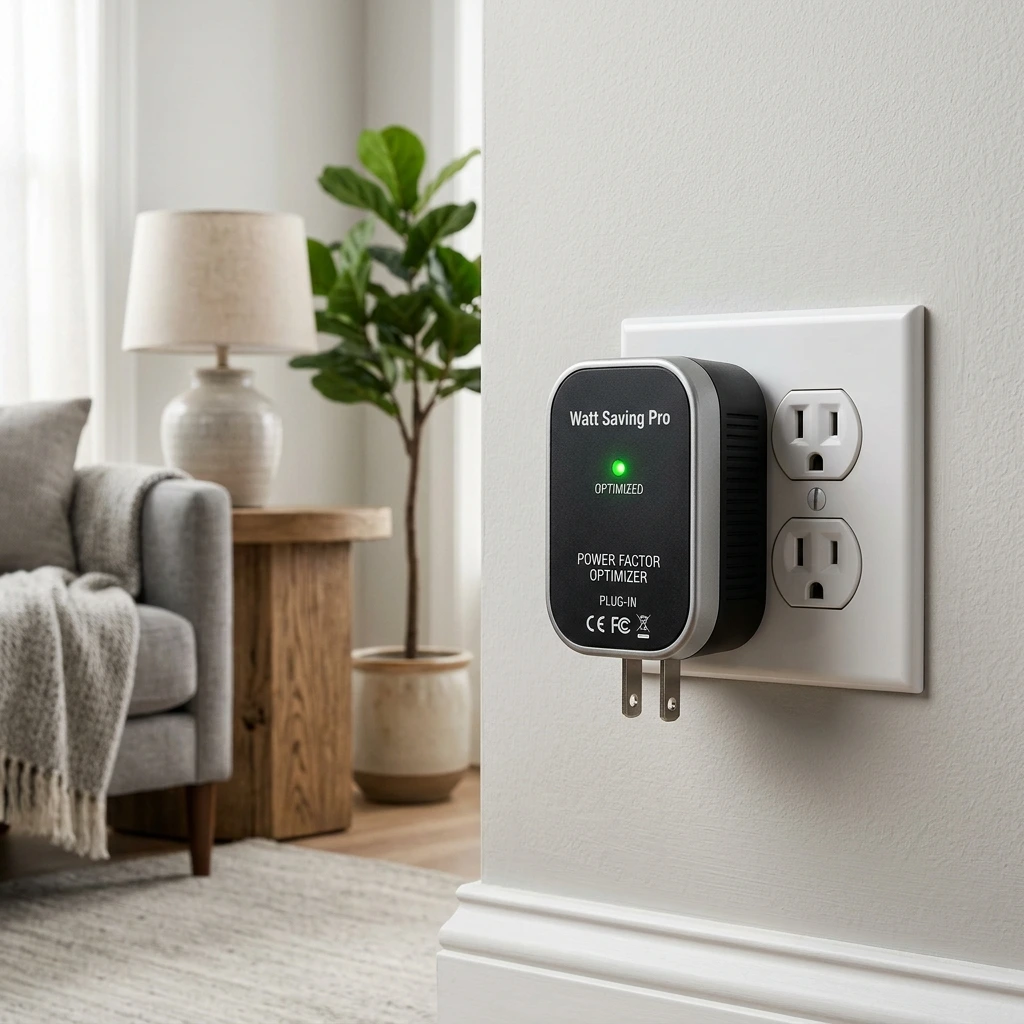
Watt Saving Pro is a small white plastic plug‑in device you insert into any standard household wall outlet. Its marketing copy claims it stabilizes electric current, optimizes household power flow and drastically cuts total home electricity usage.
Advertising promises life‑changing reductions in monthly utility costs, implying proprietary advanced tech developed with Elon Musk / Tesla. Ads push traffic to shadow landing pages such as techuncovertoday.com before redirecting shoppers to the actual checkout site kozygoods.com.
Despite the high‑tech storytelling, there is no proprietary innovation. It is repackaged generic wholesale hardware sold under many different brand names across discount marketplaces.
Deceptive Marketing: Fake Elon Musk & Media Endorsements
One of the most misleading parts of the Watt Saving Pro campaign is its misuse of public‑figure imagery. Advertisements circulate photoshopped images making it falsely appear Elon Musk holds and endorses the gadget. Reverse‑image searches confirm these photographs are edited; Musk and Tesla have zero real‑world connection to Watt Saving Pro.
Scammers also fabricate claims that major publications like Forbes and Fox News featured and recommended the product. None of those outlets have ever published reporting about Watt Saving Pro.
Some ads go even further, repurposing unrelated real‑world tragic news stories and stolen photographs to manufacture emotional urgency, trying to convince viewers the device is a critical must‑buy household tool. Every element is designed to build fake credibility for impulse purchases.
How The Sales Funnel Works
The buying journey follows a well‑established scam pattern:
Targeted social‑media sponsored ads pop‑up for users worried about high energy bills, with headlines like “[State] Residents Cut Electric Bills By 90% With This Simple Plug‑In”.
Clicking sends visitors to fake‑news‑style landing pages. These pages look like real investigative journalism articles but have no valid author, publication date or official company contact data.
As users scroll, hidden links forward them to the actual e‑commerce checkout site kozygoods.com.
The checkout page displays stolen trust badges from well‑known media and payment brands that do not actually endorse the store. Countdown timers and “limited stock” messages create artificial buying pressure.
After payment, many customers face weeks‑long shipping delays, receive damaged goods, or run into major obstacles requesting refunds.
What Is Inside Watt Saving Pro — Technical Reality
Electrical professionals have torn down identical units sold under different brand names. Inside the plastic housing you will find only basic low‑cost components: a simple LED indicator light, cheap capacitors and resistors.
These simple parts cannot communicate with fridges, air‑conditioners, washing machines or other household appliances. Plugging this gadget into one wall socket cannot lower total kilowatt‑hour consumption for your whole house. The glowing green LED lamp only shows it is receiving power; the light gives users a false psychological impression the device is “working”.
Claims of “stabilizing current” and “optimizing power flow for entire‑home savings” are pseudoscience for residential households. Real before‑and‑after utility bill screenshots shown in advertisements are fully fabricated; no independent lab testing has validated its dramatic savings promises.
Real‑World Customer Complaints
Trusted consumer platforms show very little verified positive feedback for Watt Saving Pro. Common buyer grievances include:
Zero visible reduction on monthly electricity bills after weeks or months of continuous use.
Extremely slow delivery times, tracking numbers that show invalid or fake shipping events.
Damaged or broken‑on‑arrival units.
Unresponsive merchant support, refund requests routinely ignored or rejected.
No real physical business address or customer‑service phone number for the selling company.
The operators frequently abandon old domain names once complaints pile up, then launch brand‑new near‑identical websites under fresh brand aliases to keep the scheme running. That makes it hard for consumers to find authentic Watt Saving Pro reviews when they search.
Identical Rebranded Competitor Products
Watt Saving Pro is far from unique. This exact same generic plug‑in hardware cycles through endless new brand aliases every time public exposure grows:
StopWatt
VoltBox
EcoWatt
ProPowerSave
All these products share the same core plastic enclosure and internal cheap components. Only logos, box artwork and marketing text get swapped out. The underlying exaggerated “cut your power bill” sales pitch stays completely unchanged.
Major Red Flags To Spot Similar Power‑Saver Scams
If you encounter other home energy gadgets online, watch for these clear warning signs:
Unrealistic savings claims: any plug‑in home device promising 30‑90% reduction of total household electricity bills.
Fake celebrity endorsements or false quotes from well‑known news outlets.
Fake‑news‑style landing pages without real author information or publisher credentials.
Artificial urgency: countdown timers, “only few left in stock”, limited‑time discounts.
Missing concrete business information: no physical street address, no working customer‑service phone number.
Generic product hardware that you can find for tiny prices on AliExpress / Temu under other brand titles.
Frequently Asked Questions
Q: Is Watt Saving Pro real or a scam?
A: A physical plastic device does ship to buyers, but its core marketing promises are fraudulent. It cannot deliver massive electricity‑bill savings, and it relies on manipulated photos, fake testimonials and misleading sales funnels. It is classified as a consumer scam.
Q: Does Watt Saving Pro actually save electricity?
A: No. Professional electrician teardowns confirm its cheap internal components cannot lower overall household power usage. The glowing LED is only a power indicator light.
Q: Did Elon Musk or Tesla invent or endorse Watt Saving Pro?
A: Absolutely not. All images and stories suggesting Musk or Tesla created or backs this gadget are digitally altered fabrications with zero factual basis.
Q: Can I get a refund after buying Watt Saving Pro?
A: Sellers rarely honor their advertised money‑back guarantee. Your best chance is opening a formal chargeback dispute directly with your bank or credit‑card issuer, providing order screenshots and ad copies as supporting evidence.
Q: Are there other versions of this same scam product?
A: Yes. StopWatt, VoltBox, EcoWatt and ProPowerSave are among many re‑branded iterations using the identical generic hardware.
What To Do If You Bought Watt Saving Pro
Save all evidence: order confirmations, ad screenshots, website screenshots, shipping communications.
Contact your bank or credit‑card provider immediately and file a chargeback dispute. Do not rely solely on the merchant’s own refund forms.
Keep monitoring bank statements for any unexpected follow‑up charges.
Report the deceptive website and advertisements to your local consumer‑protection authority such as the FTC.
Avoid clicking links sent in emails from the merchant. Conduct all dispute‑related communication via your financial institution.
Legitimate Ways To Lower Your Home Electric Bill
Instead of wasting money on miracle plug‑in gadgets, these proven tactics will genuinely bring down your utility costs:
Swap old appliances for high‑energy‑efficiency ENERGY‑STAR rated models.
Install smart plugs to fully cut standby phantom power for idle electronics.
Adjust thermostat settings for heating and cooling systems.
Improve home insulation and seal window / door air leaks.
Switch to LED light‑bulbs throughout your property.
Final Investigation Verdict
Watt Saving Pro is part of a long‑running consumer scam built around repurposed cheap wholesale hardware. Every major selling point — huge electricity‑bill cuts, Elon Musk‑backed innovative technology, major‑media endorsements — cannot stand up to fact‑checking.
It preys on people frustrated by steep rising energy costs, selling false hope with polished social‑media ads and fake‑news‑style landing pages. We strongly recommend avoiding purchasing Watt Saving Pro or any of its many re‑branded equivalents.
Rating: 1.0 /5 Stars — Not Recommended
Disclaimer: This piece represents independent consumer investigative reporting. It is not legal advice. If you have financial losses from online merchants, please reach out to your local consumer‑protection agency and financial institution.