Ceylon Cinnamon Supplement Review: Does It Support Blood Sugar? My Honest Hands‑On Test
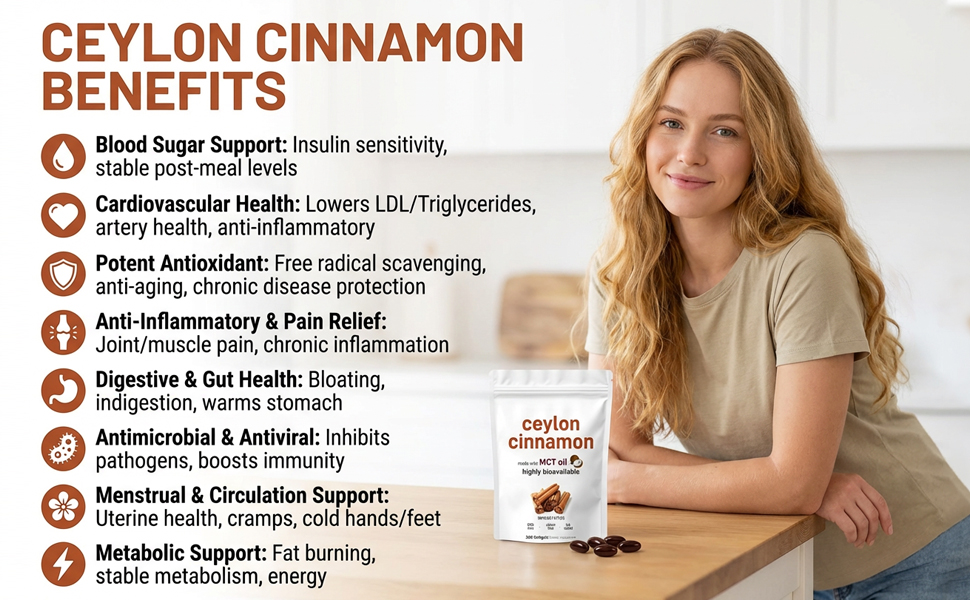
Scroll Amazon, social media and wellness blogs, and you will see Ceylon Cinnamon supplements everywhere. Marketed as “true cinnamon”, these capsules promise natural support for blood sugar levels, metabolism, heart health and overall wellness. Many sellers highlight that Ceylon cinnamon carries far less coumarin than common Cassia cinnamon, positioning it as the safer daily‑use spice supplement.
At first glance it sounds like a low‑effort, natural wellness upgrade. I was tempted to add it straight to my daily stack. But aggressive marketing claims and confusing product listings made me pause. I purchased a popular Nutricost Ceylon Cinnamon supplement and used it consistently over several weeks. This review shares my real‑world experience, key differences between Ceylon and Cassia, pros, cons, common marketplace red flags and realistic expectations you should hold before buying.
What Is Ceylon Cinnamon Supplement? Ceylon vs Cassia
Ceylon cinnamon supplements come mostly in capsule or powder form, sourced from Cinnamomum verum, native to Sri Lanka, widely called “true cinnamon”.
The biggest selling point revolves around coumarin, a naturally‑occurring compound. High coumarin intake from regular Cassia cinnamon can create liver‑stress risks over long‑term daily use, per European food‑safety guidancePMC. Ceylon cinnamon contains roughly 250x less coumarin than Cassia, so it is marketed for safe everyday supplementation.
| Feature | Ceylon Cinnamon (True Cinnamon) | Cassia Cinnamon (Ordinary Grocery‑Store Cinnamon) |
|---|---|---|
| Botanical Name | Cinnamomum verum | Cinnamomum cassia |
| Coumarin Level | Very low (negligible for daily intake) | Very high; risky in large daily supplement doses |
| Flavor Profile | Mild, sweet, gentle spice | Strong, sharp, spicy‑cinnamon taste |
| Primary Use In Supplements | Long‑term daily capsule use | Occasional culinary cooking, not ideal for high‑dose daily supplements |
Brands sell these capsules targeting blood‑sugar management, metabolic wellness and antioxidant support. However, product quality, purity and actual Ceylon content vary wildly across brands, especially on third‑party retail platforms.
My Hands‑On Personal Usage Experience
I selected Nutricost Ceylon Cinnamon capsules for my test. My main motivation was the popular claim of gentle natural blood‑sugar support. I went in with the common mindset: “it’s just cinnamon — how risky can it be?”
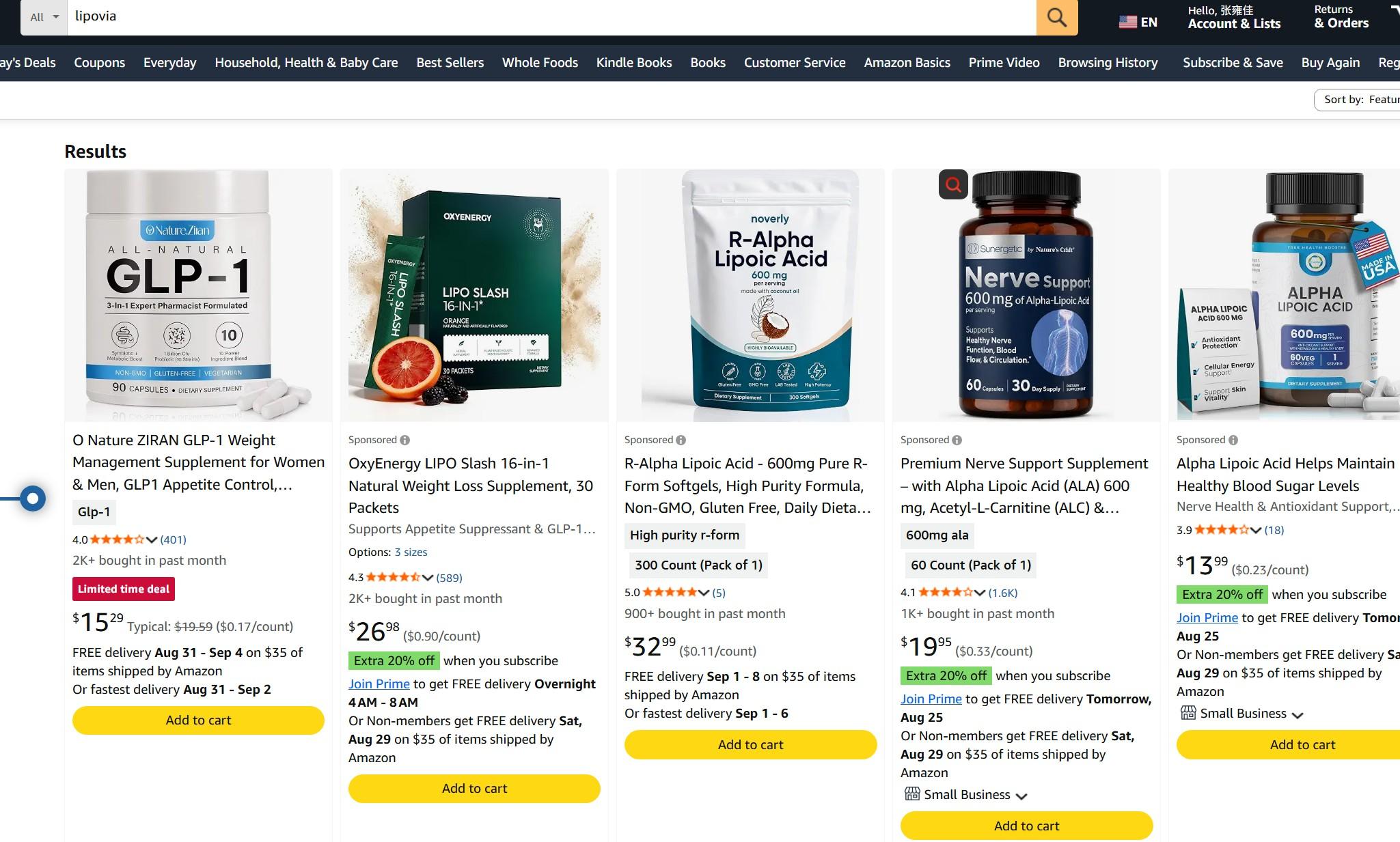
Right away, I was struck by how confusing the shopping process was. Dozens of near‑identical listings populate Amazon: identical marketing copy, similar bottle packaging, slightly different brand names and price ranges. It was difficult to tell which products contained genuine pure Ceylon cinnamon and which relied purely on branding hype.
Once I started the capsule routine, there were zero immediate sensations. No energy shift, no digestive signals, nothing obvious that told me the supplement was “working”. Some days I remembered my dose with meals; other days I forgot entirely — and I could feel zero physical difference whether I took it or skipped it.
Over multiple weeks of mostly‑consistent use, effects remained extremely subtle. There was no tangible change I could point to in energy, hunger or blood‑sugar‑related symptoms. This is the core reality: if Ceylon cinnamon delivers benefits for you, they operate quietly in the background, without clear body feedback.
Capsule form itself was pleasant: easy to swallow, no strong after‑taste. Powder versions exist but I avoid them for daily supplementation because flavor is intense, and achieving accurate, repeatable dosing is harder.
Pros & Cons
✅ Pros
Capsule form is simple to integrate into a daily supplement routine
Generally well‑tolerated for most healthy adults when used at recommended serving sizes
Far lower coumarin risk than Cassia for ongoing daily supplementation
Some clinical research supports modest supportive metabolic and antioxidant properties
Gentle wellness add‑on for people seeking natural spice‑based supplements
❌ Cons
Any benefits are very subtle; you should not expect obvious, fast results
Many product listings heavily exaggerate blood‑sugar and metabolic outcomes in marketing copy
Major quality authenticity risk: many marketplace items may be blended or mislabeled Cassia instead of real Ceylon
It offers zero benefit if your diet and lifestyle remain unchanged; it cannot act as a standalone solution
Hard to self‑verify authenticity as a regular consumer without third‑party lab reports
Common Red Flags When Shopping for Ceylon Cinnamon
Watch for these warning signs when you shop online:
Vague origin information: Authentic Ceylon cinnamon originates from Sri Lanka. If a listing says only “imported from Asia” without naming Sri Lanka, treat it as a red flag.
Over‑inflated miracle health claims: Phrases like “fix blood sugar”, “reverse insulin resistance” are marketing overreach. No cinnamon supplement replaces medical care.
No third‑party testing or COA available: Trustworthy brands can provide lab documentation verifying coumarin levels and purity upon request.
Suspiciously low pricing: Genuine imported Ceylon cinnamon costs more; extremely cheap “Ceylon” supplements are frequently blended or outright Cassia mislabeled as true cinnamon.
Blend formulas hiding exact cinnamon species: If the label only reads “cinnamon bark” without naming Cinnamomum verum, you cannot confirm you are buying Ceylon.
Real‑World Customer Feedback Patterns
Scanning large volumes of verified purchase reviews reveals two distinct camps of user experience.
One group of buyers swears it helped their energy or blood‑sugar markers. Many of these positive reviews are fairly vague, without hard test numbers.
The second large group reports feeling absolutely zero noticeable changes after weeks or months of taking capsules.
A recurring complaint is batch‑to‑batch inconsistency and doubt over whether the bottle actually contains real Ceylon cinnamon. Many shoppers receive the product and realize they cannot independently confirm authenticity.
H2:Usage Guidance & Important Safety Notes
Typical routine: Ceylon cinnamon capsules are most often taken once or twice daily alongside meals. Always stick to serving sizes printed on your supplement bottle.
It is supporting, not curative: This supplement works only alongside balanced diet, movement and sleep habits. It cannot compensate for poor lifestyle choices.
Safety warnings:
If you take diabetes or blood‑thinning prescription drugs, consult a doctor before adding cinnamon supplements, for potential interaction risks.
People with liver conditions should seek medical advice before long‑term cinnamon supplementation.
Pregnant or nursing individuals should check with a healthcare provider before regular high‑dose use.
Recommended Alternatives
If you want to try Ceylon cinnamon capsules, these well‑reviewed brands are worth comparing:
NOW Foods Ceylon Cinnamon Capsules
Nature’s Way Cinnamon Bark Capsules
Solaray True Cinnamon Extract
Frequently Asked Questions
Q: Is Ceylon Cinnamon supplement a scam?
A: It is not an outright scam. Ceylon cinnamon is a real botanical ingredient with some supporting preliminary research. However much of the marketing is misleading and over‑hyped. Many marketplace listings misrepresent authenticity and overpromise dramatic health outcomes.
Q: Can Ceylon cinnamon capsules cure diabetes or replace my medication?
A: Absolutely no. It is a dietary supplement for potential mild support. Never adjust or stop prescribed diabetes medication based on a spice supplement. Always follow your doctor’s guidance.
Q: What is the big difference between Ceylon and Cassia cinnamon?
A: Ceylon (“true cinnamon”) has extremely low coumarin levels, safer for daily supplement‑strength doses. Cassia (ordinary grocery‑store cinnamon) has high coumarin; long‑term high‑dose daily intake carries liver‑stress risks. Cassia is fine for occasional cooking seasoning, but not ideal for daily high‑dose supplementation.
Q: Will I feel immediate effects after starting Ceylon cinnamon?
A: Most users will feel no obvious immediate change. Any potential metabolic benefits develop slowly over time, and results vary widely person‑to‑person.
Q: Is powder better than capsules for Ceylon cinnamon?
A: Powder works for culinary use, but capsules deliver more consistent, measured daily dosing for supplementation. Powder’s strong flavor also makes regular daily use less convenient for many people.
Final Verdict
Ceylon cinnamon supplements are not useless, but you must hold realistic expectations.
If you already maintain balanced eating and exercise habits and you want a gentle natural add‑on for potential metabolic and antioxidant support, Ceylon cinnamon capsules can make sense for you. Just understand you will likely feel no dramatic shift day‑to‑day.
If you are shopping hoping for a quick fix for blood‑sugar concerns or metabolic issues, you will almost certainly be disappointed. The biggest lesson from my test: the gap between what supplement marketing promises and what real‑world Ceylon cinnamon can deliver is large.
Always verify brand authenticity, watch for mislabeling red flags, and talk to your doctor first if you manage any chronic health conditions.
My Rating: 2.9 /5 Stars
Disclaimer: This is my independent consumer test. Individual results vary. This article is not medical advice. Discontinue use and speak with a healthcare professional if you experience adverse reactions.