MagVision Auto‑Adjusting Glasses Review: Are These Viral Ad Glasses a Scam?
Disclaimer: This is independent consumer product testing, not professional optometry advice. Always consult a licensed optometrist for prescription vision correction and regular eye health checks.
If you spend any time scrolling Facebook or Instagram feeds, you have almost certainly seen flashy paid advertisements for MagVision Auto‑Adjusting Glasses. Promotional videos market them as revolutionary “self‑tuning” eyewear: one single pair automatically adapts for near reading tasks, computer screens, and distant viewing, with no prescription, no eye exam, and no trip to an optometrist required.
As a busy stay‑at‑home mom constantly switching between reading my phone, chasing kids, and watching television, the pitch sounded incredibly tempting. Tired of juggling multiple pairs of reading glasses around the house, I ordered MagVision after repeated social‑media ads caught my attention.
This brutally honest hands‑on review covers unboxing, real‑world wear testing, major return‑policy red flags, expert optometry insights, and reliable alternative eyewear options you can actually trust.
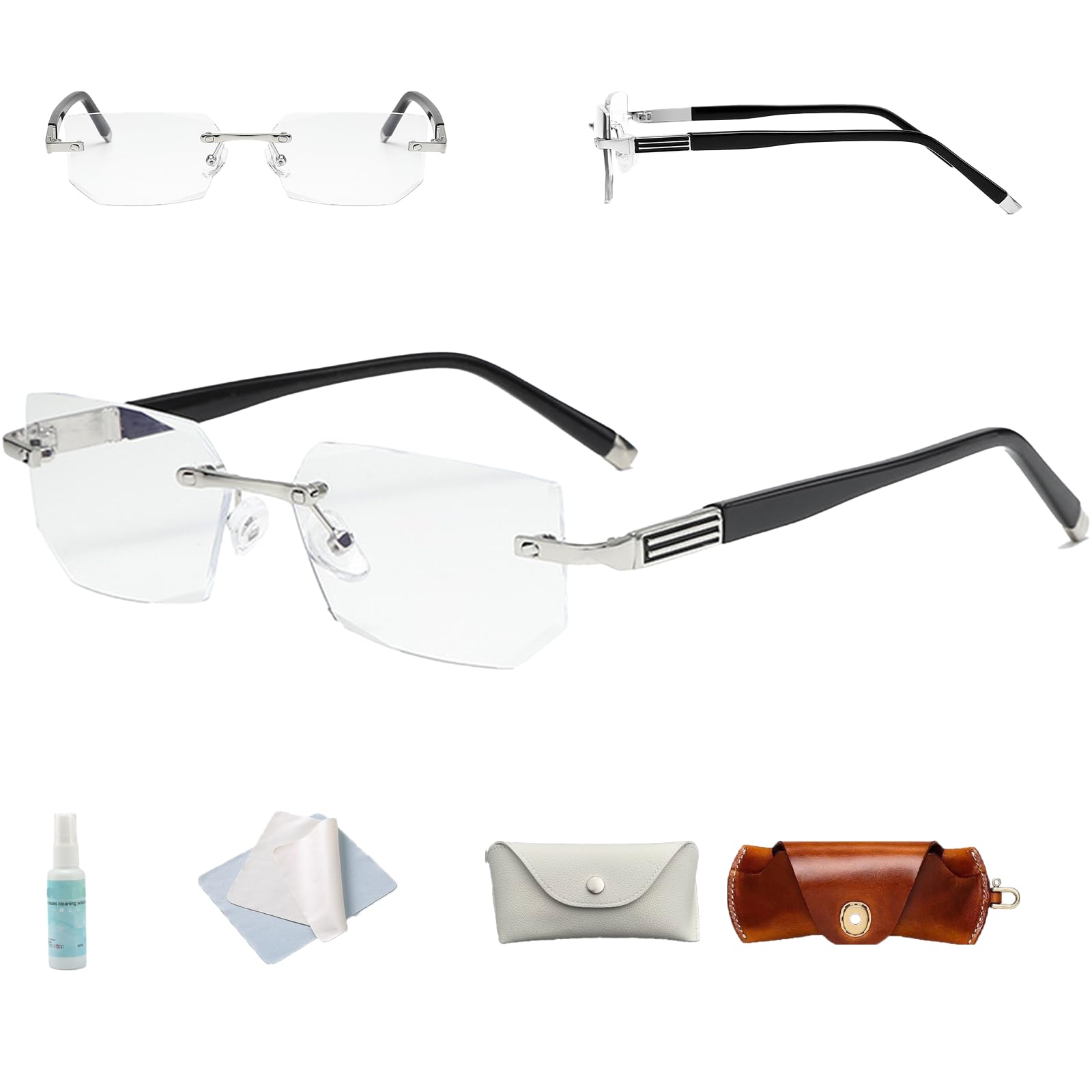
What Are MagVision Auto‑Adjusting Glasses?
MagVision (also written Mag Vision) is a viral social‑media‑marketed eyewear product. Ads hype space‑age liquid‑lens or smart‑glass technology that instantly adapts your vision for reading, screen time, and far‑distance sight without optometrist visits.
Many consumers buy hoping to replace their collection of reading glasses, computer glasses, and distance eyewear with one convenient all‑in‑one solution. The marketing creates high expectations for anyone dealing with age‑related presbyopia.
My Hands‑On Unboxing & Wearing Experience
I placed my order after seeing repeated Facebook ads. Approximately one week later, my package arrived shipped directly from China — this was my very first warning sign.
Opening the box revealed thin, lightweight, cheap‑feeling plastic frames. The build quality felt far below what you would expect for the listed selling price. Despite marketing language emphasizing “auto‑adjusting”, these glasses feature small physical dials on each lens side that you must twist manually to change magnification. It felt similar to wearing toy binoculars on your face.
I spent multiple sessions twisting and experimenting with both dials trying to find clear focus for reading and distant objects. No matter how I fine‑tuned the settings, I struggled to get stable sharp vision. Within minutes of wear, I developed noticeable eye strain, dizziness, and a throbbing headache. They could not deliver the seamless multi‑distance vision shown in ad footage.
Major Return & Customer Service Red Flags
Immediately after testing and realizing the glasses failed to perform as advertised, I emailed customer support requesting a full product refund.
Their reply stated returns were accepted, but I would be fully responsible for international return shipping back to China. The quoted shipping cost was roughly three times higher than what I originally paid for the glasses. For most buyers, paying that fee makes returning completely uneconomical.
This is a classic red‑flag practice common for dropshipped overseas consumer goods: customers are technically allowed returns on paper, but inflated return‑shipping costs effectively trap buyers with unwanted, non‑refundable merchandise. Multiple independent buyer reviews report identical frustrating customer‑service experiences.
The Real Truth Behind MagVision Marketing Claims
After my disappointing testing result, I researched expert optometry viewpoints on this category of adjustable dial glasses.
MagVision is essentially a set of low‑quality manual magnifier lenses. There is no true automatic self‑adjusting technology. Critically, they cannot correct astigmatism. Every person’s eyes and prescription requirements are unique; there is no one‑size‑fits‑all lens that can properly correct varied individual vision defects.
The viral advertising “auto‑adjust” claim is pure marketing fluff. Real‑world smart auto‑tuning liquid lenses remain expensive lab‑stage or high‑end prototype technology, not affordable consumer retail items sold via social‑media ads.
Pros & Cons
✅ Pros
-
Ultra‑lightweight frame (the only minor physical plus)
-
Concept appeals to people tired of switching multiple reading glasses
❌ Cons
-
Misleading “auto‑adjust” marketing; lenses require manual dial twisting
-
Very cheap, flimsy plastic build quality
-
Hard to achieve stable sharp focus; frequently causes dizziness and headaches
-
Cannot correct astigmatism or personalized prescription vision needs
-
Punitive international return‑shipping policy makes refunds impractical
-
Poor customer‑support experience reported by many verified buyers
Better Eyewear Alternatives Worth Buying
If you struggle with presbyopia and want reliable multi‑distance or reading glasses, skip risky social‑media ad products. These well‑reviewed options deliver real, consistent performance:
-
BONCAMOR Progressive Multifocus Reading GlassesProgressive‑style lens design: top section for distance viewing, middle zone for computer screens, bottom section for close reading work. Available in fixed magnification strengths for your individual needs.
-
Aviator Reading Glasses with Blue‑Light LensesBudget‑friendly reliable readers with blue‑light blocking coating, great for long phone and computer screen sessions.
Important note: For best vision outcomes, confirm your required magnification strength before ordering any over‑the‑counter reading‑glass model.
Frequently Asked Questions
Q: Do MagVision glasses truly adjust automatically?
A: No. There is no automatic sensor‑driven adjustment. You must manually twist small dials on each lens side to change magnification. The “auto‑adjust” label in ads is misleading marketing language.
Q: Can MagVision glasses fix astigmatism?
A: No. These simple magnifier‑style lenses cannot correct astigmatism. Astigmatism requires custom prescription lenses from an optometrist.
Q: What is the MagVision return policy catch?
A: While returns are permitted on paper, buyers must cover expensive international shipping back to China. The return‑shipping price often exceeds the product’s purchase price.
Q: Are MagVision glasses a scam?
A: You do receive a physical pair of glasses in the mail. However, advertising makes exaggerated, unfulfillable performance promises, paired with an impractical return process that traps consumers. Many eyewear experts classify it as deceptive marketing.
Q: Can I use MagVision as replacement for prescription glasses?
A: Definitely not. They are novelty magnifiers only, not medical‑grade prescription corrective eyewear. Always see an optometrist for formal eye exams.
Final Verdict
MagVision Auto‑Adjusting Glasses ended up being a total waste of both money and my time. I fell for polished, persuasive social‑media advertising, and received flimsy novelty magnifiers that failed to deliver the multi‑distance clear vision they promised. Combined with unfair return‑shipping conditions, purchasing carries significant consumer risk.
My clear advice: when you see these MagVision advertisements pop‑up on your social‑media feeds, scroll right past them. Invest in well‑established reading or progressive‑multifocus eyewear from trusted retailers instead. Never rely on viral ad‑sold eyewear to solve real vision‑correction needs. Always schedule regular eye exams with a licensed optometry professional.
My Rating: 1.4 /5 Stars — Strongly Not Recommended