Memo Honey Scam Exposed: The AI-Faked Bill Gates “Honey Shield” Alzheimer’s Scam
What Is the Memo Honey “Honey Shield” Scam?
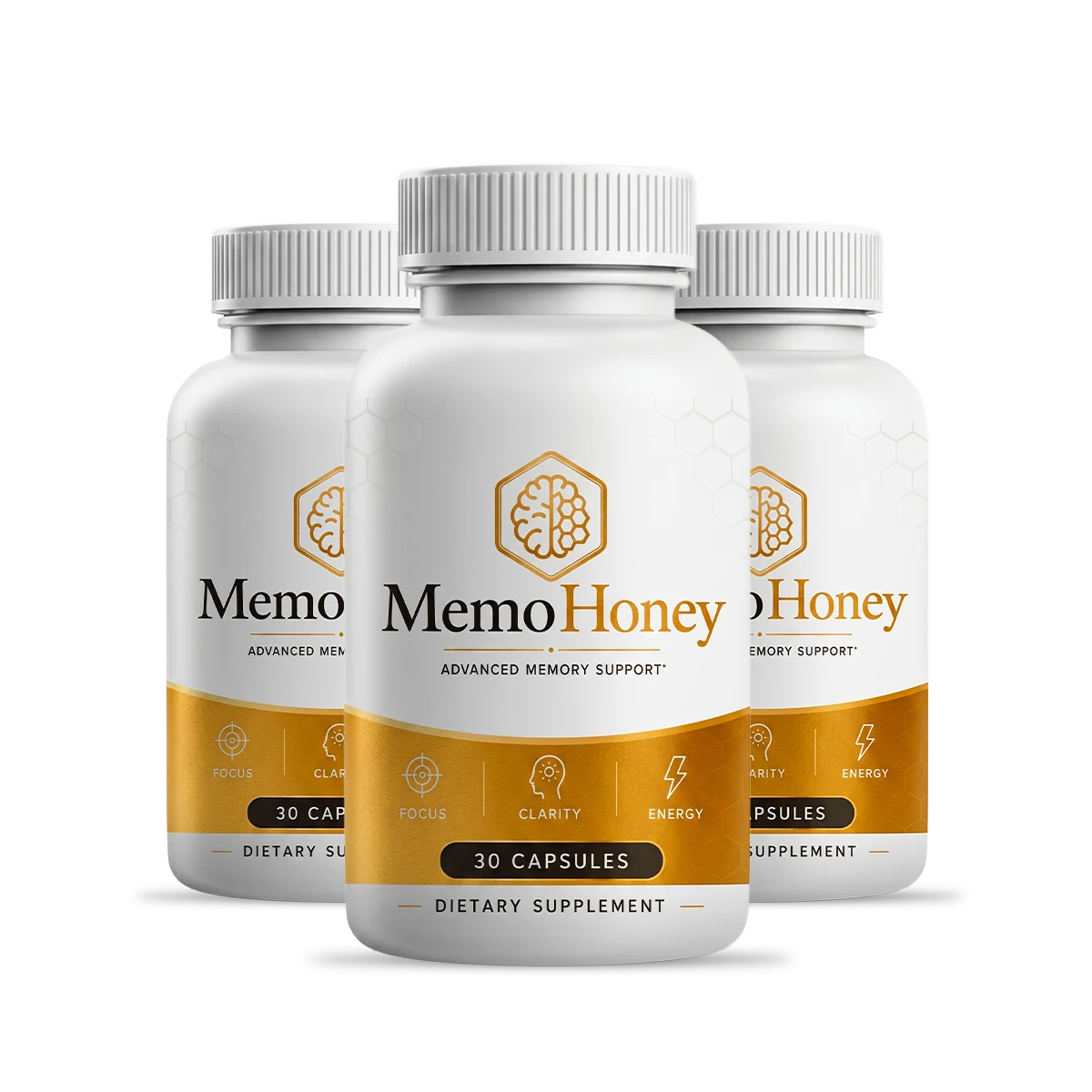
The Memo Honey scam markets itself as a “honey-based memory protocol” that claims to cure or reverse Alzheimer’s disease, dementia, brain fog and age-related memory loss. Marketers claim the formula was created by Bill Gates as part of a so-called “Honey Shield” project, and that it outperforms prescription dementia medications.
None of these claims are true.
Bill Gates has never created, endorsed or been involved with any honey-based memory supplement or “Honey Shield” protocol.
No honey product, pill or at-home recipe has ever been proven to reverse Alzheimer’s disease or dementia.
Memo Honey is simply the latest brand name for a recurring scam product that gets rebranded every few months to evade bad reviews and search engine warnings.
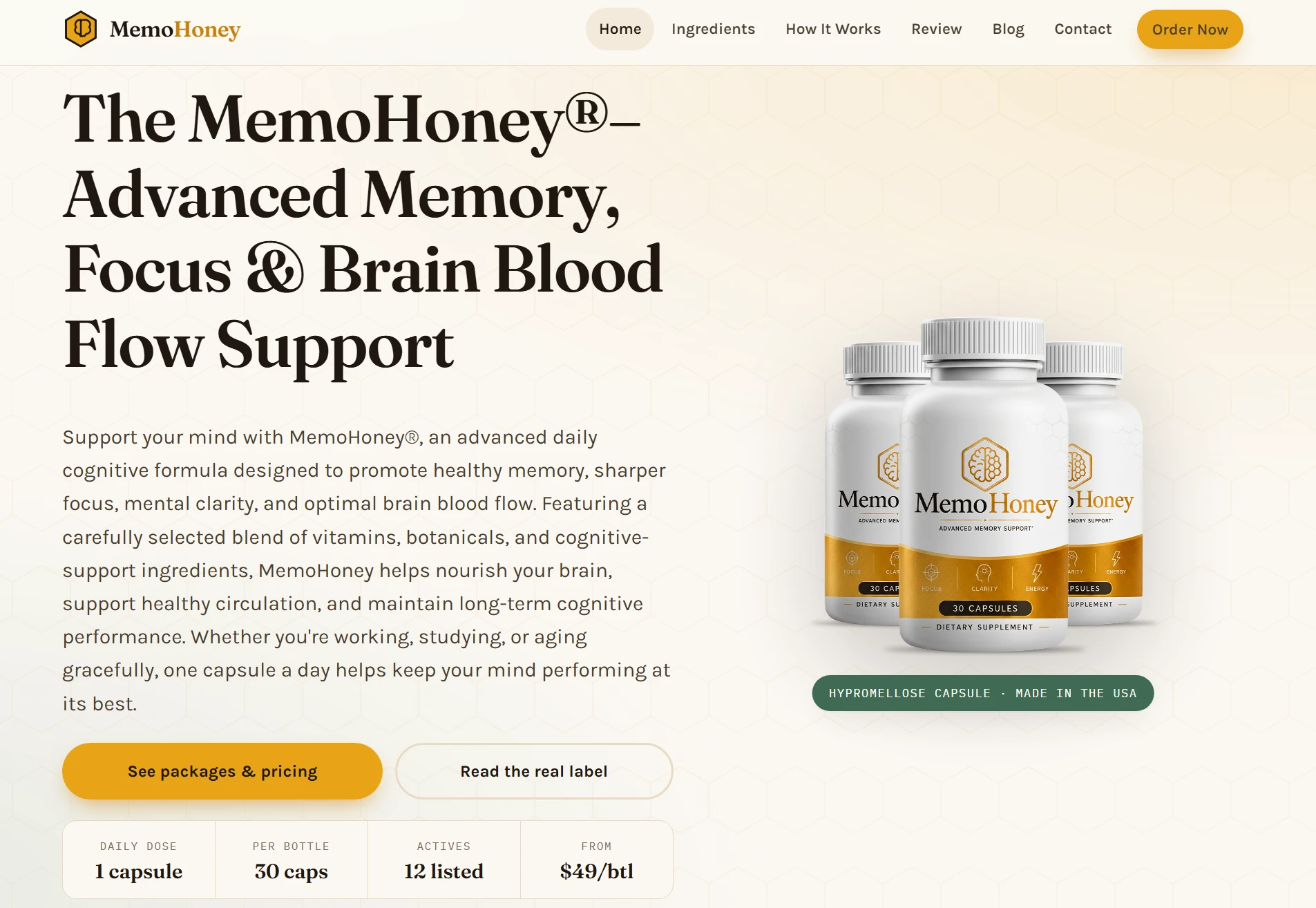
The core trick of the scam is simple: scammers dangle the promise of a “free, simple honey recipe you already have in your pantry” to keep people watching long videos. At no point do they ever share an actual recipe. By the end of the video, viewers are told the formula has been pre-mixed into convenient Memo Honey capsules — and directed to a checkout page to buy them.
How Scammers Use AI Deepfakes to Fake Credibility
What makes this scam particularly convincing — and particularly dangerous — is its heavy use of artificial intelligence to fabricate endorsements from trusted public figures. Scammers use AI video and voice tools to make it appear as if well-known celebrities, journalists and medical professionals are praising the product.
Faked figures shown in scam videos include:
Bill Gates, falsely presented as having funded and developed the “Honey Shield” formula
Morgan Freeman, Clint Eastwood and Scott Eastwood, shown giving fake testimonials about memory recovery
Steve Martin (misnamed “Steven Martin” in the scam videos, a clear red flag of low-quality offshore production)
Dr. Yoshinori Ohsumi and other medical figures, edited into fake interview clips
Lesley Stahl of 60 Minutes, inserted into a completely fabricated news segment
Scammers also build fake news websites designed to look like CBS News, major health outlets and local TV stations. These sites host the scam videos and use fake article layouts to add an extra layer of false credibility. None of these publications have ever reported on Memo Honey or a honey cure for dementia.
The Scam Funnel: From Free Recipe Promise to Hidden Subscriptions
The Memo Honey scam follows a classic, highly profitable fraud funnel designed to extract as much money as possible from each victim.
Step 1: The hook – “free honey recipe”
Ads and social media posts tease a simple, cheap honey ritual that reverses memory loss in days. People click because they believe they’re going to learn a free home remedy, not buy a supplement.
Step 2: The long video
Viewers are taken to a lengthy video that builds emotional stories of severe memory loss, recovery and “Big Pharma cover-up” conspiracies. The actual recipe is never revealed. The video is designed to wear down viewer skepticism and build trust through fake celebrity testimonials.
Step 3: The product pitch
At the end of the video, viewers are told the “honey protocol” has been professionally formulated into Memo Honey capsules, and offered for sale on a branded checkout page.
Step 4: The post-purchase upsell trap
After a customer places an order, scam call center representatives contact them to push more expensive supplements, upgrade packages and recurring monthly subscription charges that were never clearly disclosed upfront. Many victims end up charged hundreds or thousands of dollars over time.
Step 5: The rebrand
When the Memo Honey name accumulates too many complaints and bad search results, scammers simply rename the product, build new websites and start the cycle over again. This is why you cannot find clear manufacturer information, a real founder name or legitimate bottling location for Memo Honey — it is designed to disappear and reappear under a new identity.
Why This Scam Targets Memory Loss and Seniors
Scammers specifically target older adults and people worried about cognitive decline for three key reasons:
High emotional stakes: Fear of Alzheimer’s and dementia makes people desperate for solutions, and more likely to set aside normal skepticism.
Distrust of conventional medicine: The scam weaponizes frustration with expensive prescription drugs and pushes an anti-“Big Pharma” narrative to steer people away from doctor-recommended care.
Lower familiarity with AI deepfakes: Many older viewers do not yet recognize AI-manipulated video as a common scam tool, and are more likely to believe celebrity endorsements are real.
7 Red Flags That Confirm Memo Honey Is a Scam
If you encounter a product or ad matching any of these signs, it is almost certainly part of the same scam network:
Claims it can cure, reverse or heal Alzheimer’s disease or dementia — no over-the-counter supplement can legally or medically make this claim.
Features AI-generated celebrity testimonials or fake news segments from 60 Minutes, CBS or other major outlets.
Promises a “free home recipe” but never actually shares the recipe and instead sells a pill.
No verifiable manufacturer name, no real company address and no FDA registration or third-party testing information.
Displays fake review counts like “26,242 reviews / 9.6/10 score” on obscure checkout domains with no real review system.
Has pre-checked terms and conditions boxes hidden far below the checkout button, automatically enrolling buyers in subscriptions.
Follows up with unsolicited phone calls pressuring you to buy more products after your first order.
What to Do If You Already Bought Memo Honey
If you purchased Memo Honey or fell for a similar supplement scam, take these steps immediately:
Contact your bank or credit card issuer to report the charge as fraudulent. Dispute the transaction and request a chargeback.
Do not engage with follow-up calls from the company. Do not give them more personal, financial or health information.
Do not accept “50% refund” offers designed to keep half your money and get you to drop further action.
If you have taken the product and experience adverse effects, contact a healthcare provider immediately.
Report the scam to the FTC and your local consumer protection agency to help warn other people.
Frequently Asked Questions (FAQ)
Is Memo Honey a legitimate dietary supplement?
No. Memo Honey is the brand name of a known scam product. It has no verified ingredients, no third-party testing, no proven benefits for memory or cognition, and is promoted using fake celebrity endorsements and false medical claims.
Did Bill Gates create the “Honey Shield” memory protocol?
No. Bill Gates has never developed, endorsed or been associated with any honey-based memory supplement, “Honey Shield” formula or Alzheimer’s cure sold online. His name and likeness are used without permission via AI deepfake technology.
Can honey reverse Alzheimer’s disease or dementia?
No. While honey is a common food ingredient, there is no credible clinical evidence that honey, or any honey-based mixture, can reverse Alzheimer’s disease, dementia or permanent cognitive decline. Anyone making this claim is selling a fraudulent product.
Where is Memo Honey manufactured?
There is no public, verifiable information about where Memo Honey is made, bottled or sourced. Scam products like this regularly change manufacturers and brand names to avoid regulatory action and bad reviews.
Can I get my money back from Memo Honey?
The most reliable path to a refund is to contact your bank or credit card company and file a fraud dispute. Refunds offered directly by the scam operators are often partial, conditional or never honored at all.
Final Verdict
The Memo Honey “Honey Shield” scam is a predatory fraud that exploits fear of memory loss and uses cutting-edge AI deepfake technology to steal money from consumers. It preys on vulnerability, distrust of the medical system and unfamiliarity with fake online video.
If you or a family member are concerned about memory loss, brain fog or dementia risk, the only safe and responsible step is to speak with a licensed healthcare provider. No supplement, honey recipe or online “protocol” is a substitute for proper medical care.
Always remember: if a health product claims to cure a serious disease and is endorsed by celebrities in viral videos, and you can’t find any independent, trustworthy information about it — it is almost certainly a scam.