Kwik Trip 61st Anniversary Gift Card Scam Alert: What You Need To Know
Social media feeds are circulating posts advertising a supposed free gift‑card giveaway for Kwik Trip’s 61st anniversary. This promotion is entirely fake. Kwik Trip, the well‑known regional convenience‑store chain, is not running any anniversary‑themed gift‑card campaign of this kind.
At first glance the posts appear legitimate, but multiple warning signs reveal it as a classic phishing trap designed to harvest users’ private personal data.
What Is the Kwik Trip 61st‑Anniversary Gift‑Card Scam?
This is a social‑media‑driven phishing scam. Scammers impersonate Kwik Trip and promise free gift‑card rewards tied to the brand’s 61‑year milestone. Victims are lured to external malicious websites under the pretense of completing a short survey to claim their prize.
No gift card will ever be issued. The real objective is to collect names, emails, and security‑question‑style personal facts. This harvested data is often resold on underground dark‑web marketplaces, putting victims at risk of identity theft, account hacking, and targeted spam attacks.
How This Phishing Giveaway Operates
Fraudulent posts pop up across social platforms. They borrow Kwik Trip branding and claim limited‑time anniversary rewards. Users are encouraged to click embedded links and share the post with contacts.
Clicking sends you away from official Kwik‑Trip domains to an untrusted third‑party site.
Visitors are told finishing a brief survey unlocks their free gift card.
The survey asks highly sensitive personal questions: your place of birth, your mother’s maiden name, your pet’s name, and other details commonly used for online‑account security resets.
Even if you finish every question and share the promotion, you receive zero reward. Your private information has already been captured by scammers.
Clear Red Flags To Spot This Fraud
RED FLAG #1: No official‑channel publication This giveaway never appears on Kwik Trip’s verified social‑media profiles or corporate website. Authentic brand promotions will always originate from confirmed official accounts.
RED FLAG #2: Suspicious fake user comments Posts feature seemingly positive replies from people claiming they successfully got their gift cards. If you open those user profiles, most are brand‑new accounts with little‑to‑no prior activity. These are manufactured fake social proof to trick onlookers.
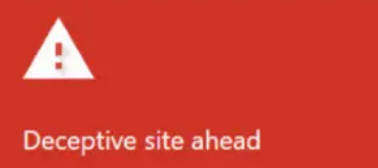
RED FLAG #3: Unsafe, uncertified external links Click‑through links point toward unsecured sites missing valid SSL security certificates. Many web browsers throw up prominent “Deceptive site ahead” security warnings when users attempt to load these pages. Some of these risky sites may attempt to silently install malware onto phones or computers without user approval.
RED FLAG #4: Grammatical errors and awkward phrasing Scam posts frequently contain obvious spelling mistakes and broken sentence structure, something you will rarely see on official corporate marketing material.
What To Do If You Receive The Scam Message
Follow these simple safety rules the moment you encounter this fake Kwik‑Trip offer:
Do NOT click any included hyperlinks.
Never fill out any survey forms on those external pages.
Refuse to hand over your full name, address, phone number, email, passwords, or any identifying facts.
Avoid forwarding the scam text or post to family and friends, because that helps the fraud spread further.
Delete the message and submit a scam report via the reporting tools built into your social‑media or messaging platform.
If this message came from somebody you know, send them a separate private note and warn them their account might be compromised. Do not click links just to “investigate”.
Keep in mind: those glowing user comments saying “I received my gift card!” are almost always fabricated, so do not let them convince you the offer is genuine.
Steps If You Already Submitted Personal Details
Act immediately if you have already typed passwords or private information on that scam webpage:
Change every password you entered, using the real official app or website for each service. Do not revisit the scam link to reset credentials.
Update passwords for any other accounts that share that same password.
Turn on two‑factor authentication wherever it is available for your online accounts.
Carefully inspect account activity: watch for unknown login locations, messages sent without your input, or altered profile information.
If you typed banking or payment‑card details, get in touch with your bank or card provider using their verified public phone lines and explain what took place.
Do not feel embarrassed. These phishing lures are professionally built to fool ordinary everyday consumers. Quick action lowers your risk of harm.
General Tips For Identifying Fake Social‑Media Giveaways
You can apply these checks for every prize promotion you encounter online:
Verify whether the announcement exists on the brand’s verified official social‑media accounts and website. If you cannot find it there, treat it as high‑risk.
Legitimate brand giveaways will never ask you to pay any upfront cost, including supposed shipping or handling fees. Any request for payment to “unlock” a free prize signals a scam.
Watch out for repeated grammar errors and strange wording within giveaway text. Occasional small typos happen in real posts, but multiple glaring mistakes are a major warning sign.
Run a quick web search for the giveaway name. Legitimate contests will usually get covered by multiple news outlets or consumer sites. If you mostly find scam‑warning articles, stay away.