Is the StopWatt device a scam? The harsh reviews left after testing this viral energy-saving device
Is Stopwatt genuine or a scam? Has it really been approved by "Shark Tank"? Even someone sent me news reports and YouTube videos claiming that this device can be used.
So if you've seen the advertisement for StopWatt claiming that it can significantly reduce your electricity bill by 87%, you might wonder if it will really work in 2026? You're not alone.
As a product reviewer and fraud buster, I decided to test this product (even though I knew this had been a recurring scam since 2020). Who knows? The device might have undergone some upgrades to be usable in 2026.
So, I ordered the StopWatt device (because I didn't dare to take the risk of shopping on numerous websites selling this product, Amazon.com)
So, is the StopWatt energy-saving device effective? To put it simply: No, Stopwatt did not reduce my electricity bill.
Worse still, when I opened it up, I found that this so-called energy saver was just an empty plastic box used to deceive buyers into believing that something magical had happened.
Here are the truths about the StopWatt energy saver, and why this is definitely a scam you should avoid
Stopwatt, or Stop Watt, is marketed as an energy-saving device that is inserted into a wall socket. It is claimed to stabilize voltage, purify dirty electricity, improve power factor and reduce energy waste.
According to the advertisement, all you need to do is plug it into any socket, and you will see the electricity bill decreasing day after day. The company claims that it is almost applicable to every household and starts saving costs immediately.
It is said that it reduces the electricity bill by 70% and protects the lifespan of equipment through the following methods:
Stabilizing household current
Reducing power waste
Eliminating harmful electrical peaks
Unfortunately, all of these are unfounded assertions with no evidence, scientific research or findings.
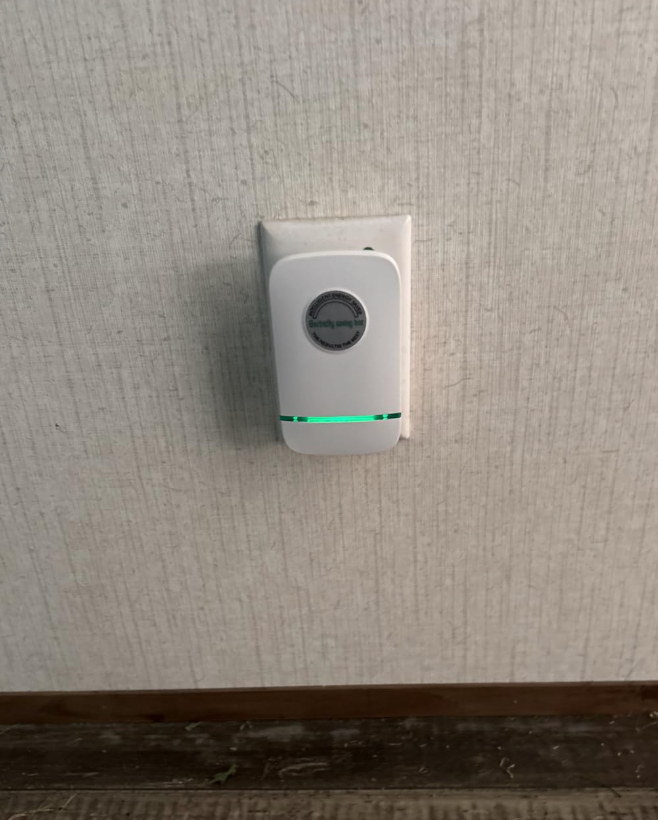
When my Stopwatt finally arrived, I was really curious. My first impression was that this device was surprisingly lightweight. I could almost balance it with just two fingers. Lightweight electronic products are not necessarily a bad thing, but considering that this product is said to contain advanced components that optimize the power flow throughout the house, I had expected it to be more substantial. Instead, it was more like an empty phone charger than a serious electronic device.
As soon as I plugged it in, a green LED light came on in front. That's it. No buttons, no settings, and no display showing how much energy was saved. There was only a small green light that kept blinking. If I didn't know the situation, I might have thought the device was working quietly in the background.
I fully plugged in the Stopwatt as suggested and continued with my daily work. The washing machine, dishwasher, kettle, microwave, TV, and heater all functioned as usual. In the following weeks, I closely monitored my electricity consumption, expecting at least some noticeable improvement if what the company claimed was true.
Unfortunately, nothing changed.
My electricity consumption was the same as my expected household consumption. The power consumption did not decrease significantly, and it was far from the remarkable energy-saving effect advertised on the website. If the Stopwatt was really doing something, I couldn't see any evidence of it.
Because the test brought more questions rather than answers, I decided to open the device to see what was inside.
To be honest, I was shocked. It was almost completely empty.
The circuit board was extremely simple, with only a few cheap electronic components and large blank spaces where a more complex circuit should have been. The biggest surprise was the large black component that you were led to believe was the core of the entire system. On closer inspection, I found that it was soldered onto a pad, and the pad even didn't connect to the other parts of the circuit board. In other words, this component actually didn't do any useful work. It existed just to look impressive.
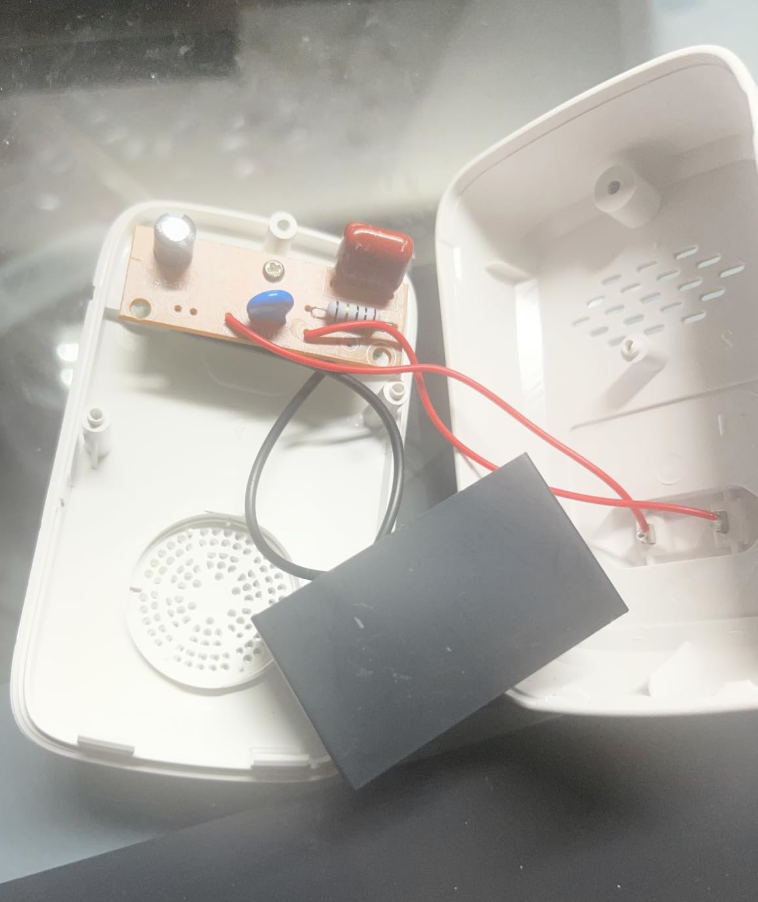
Out of curiosity, I carefully pried open the black casing, expecting to find a large-capacity capacitor inside. However, I discovered instead several epoxy resin balls of wires buried inside.
So it was.
The internal materials were insufficient to support the size of the casing, let alone achieve the extraordinary energy-saving features promised in the advertisement. The more I looked, the more I felt that the internal components were designed to make buyers believe it was advanced technology rather than the actual delivery.
In fact, the only part of the circuit that seemed to have a purpose was the LED light at the front. When plugged into the wall, it would light up, reassuring users that the device was working properly. But the LED light does not mean your electricity bill is decreasing. It merely means the LED has power.
After inspecting the hardware and comparing it with the bold marketing claims, I couldn't find any credible explanation as to how Stopwatt could possibly reduce the electricity consumption of an ordinary household. Household appliances consume the electricity they need to operate. A small plug box with almost no functional electronic components cannot magically change this.
Based on my tests and the findings inside the device, I don't think Stopwatt can reduce household electricity bills as they claim.
Did Stopwatt get recognition from "Shark Tank"?
The Stopwatt device never appeared on "Shark Tank".
One of the reasons why Stopwatt could deceive so many people is its marketing. If you have been studying this device, you likely have seen a "Shark Tank" video, where it is said to be the founder pitching Stopwatt to investors. At first glance, it seems completely real. The sharks seem to be discussing the product, and the audience is reacting. At the end of the video, the entrepreneurs seem to have received investment.
The problem is, none of this is real.
The videos shared online have cleverly edited scenes from the real episodes. The original audio has been removed, replaced by AI-generated voices or heavily edited narrations, sounding as if the investors are praising Stopwatt, calling it a revolutionary invention. Unless you observe very carefully, it can surprisingly convince you.
This is not unique to Stopwatt. Over the past year, I have studied dozens of products using the same techniques. One week it was a miraculous weight loss supplement. The next was an anti-aging cream. Then there was a blood sugar monitor, air conditioner, or a Stopwatt energy-saving device. Products change, but the scam remains unchanged.
The people behind these ads know that "Shark Tank" has great credibility. Hundreds of thousands of people trust the project because successful businesses really started from it. By linking the product to the show's reputation, the fraudsters immediately gained the trust they could never have earned on their own through sheer luck.
What's more worrying is that these fake ads have become so complex. AI now makes it extremely easy to clone voices, change lip movements, and generate convincing conversations that never actually happened. For those who quickly browse Facebook or YouTube, this video looks like a real TV clip rather than a fictional advertisement.
Is Stopwatt a scam?
Personally, I think so.
I think Stopwatt is a classic example. This product is packaged in scientific language, trying to convince consumers that they are buying advanced technology, when in fact they are buying an almost empty plastic box.
The internal construction alone raises serious concerns.
When the so-called main components are not even electrically connected to the other parts of the circuit, it's hard to imagine how the device could achieve the extraordinary functions claimed in the advertisement.
Adding to the misleading AI-generated "Shark Tank" promotion, exaggerated savings claims, and sponsored articles that pretend to be genuine reviews, the entire marketing campaign becomes extremely difficult to trust. The dangers of using this plug-in power supply device
Although the biggest problem with Stopwatt seems to be its inability to deliver the promised energy-saving effect, consumers should also consider the potential safety hazards before plugging in unknown electrical equipment at home.
1. Potential fire risk
One of the biggest concerns with cheaply manufactured electrical products is the possibility of overheating or electrical failure.
Stopwatt is designed to be plugged in continuously to the wall socket, usually 24 hours a day. Any device connected to the mains electricity must be manufactured according to appropriate safety standards, quality components, and protective measures.
When there are unclear manufacturing details and limited safety test information for the product, consumers cannot determine whether the internal components can withstand long-term use.
Poor circuit board manufacturing, poor wiring quality, weak insulation, or improper heat management, especially when the equipment is left unattended for a long time, may increase the risk of overheating.
2. Electric shock risk
Electrical equipment should be equipped with good insulation for internal components to prevent accidental contact with live parts.
When I turned on my Stopwatt device, I found a very basic and suspicious circuit board.
Some simple methods can reduce these costs, including:
Set the thermostat at an efficient temperature instead of constantly adjusting it.
Close the doors and windows when heating or cooling is in operation.
Use curtains or blinds to reduce heat loss in winter and heat gain in summer.
Improve insulation as much as possible.
Wear warmer clothes indoors instead of relying solely on heating.
3. Replace old appliances with energy-efficient models
Old appliances usually consume much more electricity than new energy-efficient devices.
If your refrigerator, washing machine, dishwasher or air conditioner have been in use for many years, although the initial cost is higher, replacing them may eventually save money.
When purchasing new appliances, pay attention to factors beyond the purchase price. A cheaper but significantly more power-consuming appliance may cost more over its lifespan.
Before making a decision, look up the official energy ratings and compare the estimated annual operating costs.
4. Stop wasting standby power
Many people underestimate the electricity consumption of devices when they are idle.
Televisions, game consoles, computers, printers, coffee machines and other electronic devices may continue to consume power even if they seem to be turned off.
This is often called standby capability or vampire capability.
A simple solution is to turn off the device on the wall when it is not needed, or use a power strip with a switch for multiple devices to disconnect easily.
Although a device may only consume a small amount of standby power, multiple devices in the house may accumulate over time.
5. Use LED lighting
Replacing old incandescent or halogen bulbs with LED bulbs is one of the simplest energy-saving upgrades.
LED bulbs consume significantly less electricity and usually have a longer lifespan than traditional bulbs.
The savings from one light bulb may seem small, but when you replace multiple light bulbs in your home, the difference becomes noticeable over the course of a year.
6. Wash clothes more intelligently
Washing is also a field where energy consumption can be reduced through small adjustments.
Some practical suggestions include:
Wash clothes with cold water when possible.
Run full loads instead of multiple small loads.
Avoid unnecessary dryer use.
Dry clothes naturally when the weather permits.
The dryer is particularly energy-intensive. Outdoor drying or indoor use of a clothesline can reduce operating costs.
7. Improve your home's insulation
Poorly insulated houses lose heat in winter and gain heat in summer, forcing heating and cooling systems to work harder.
Improving insulation in areas such as ceilings, walls and floors can help maintain a more stable indoor temperature.
Other cost-effective improvements include:
Sealing gaps around windows and doors.
Using windbreakers.
Installing insulation curtains.
Adding carpets to reduce heat loss from the floor.
These changes may not be as exciting as purchasing "miracle" energy-saving devices, but they address the real reasons for energy loss in the house. Final conclusion
I bought Stopwatt hoping that it would contain at least some interesting engineering techniques. However, what I discovered was that it was one of the most empty electronic products I have ever evaluated.
After disassembling the device, inspecting its components and testing it at home, I found no evidence to support the extraordinary claims made in its advertisement.
No savings, no advanced technology, no magical energy optimization.
Just an LED light shining in a plastic box, along with a marketing campaign based on popular phrases, fake AI-generated "Shark Tank" videos, and promotional sponsorships.
If you are considering buying Stopwatt to reduce your electricity bills, I suggest saving your money. Frequently Asked Questions Answered
Can Stopwatt really reduce electricity bills?
According to my tests, no. I didn't see a significant reduction in electricity costs, and the internal electronic equipment couldn't support the exaggerated claims in the advertisement.
Was Stopwatt shown in "Shark Tank"?
No. The videos circulating online have been edited with footage and AI-generated audio, making it seem as if the product was endorsed in the show.
Is Stopwatt the same as other energy-saving devices?
Yes. Similar plug-in devices are usually sold under different names, such as Electricity Saver, Miracle Watt, Voltbox, MiracleWatt, Power Saver Pro and other rebranded versions, although they look almost the same.
Is Stopwatt worth buying?
Personally, I don't think so. After purchasing, testing and disassembling the device, I didn't find that it could achieve the energy-saving effect promised in the advertisement.