Neuro Mind Pro Review: Deepfake Celebrity Scam Exposed, What You Must Know
If you have browsed Facebook, TikTok or video‑sharing platforms recently, you may have run across viral advertisements for Neuro Mind Pro, a brain health dietary supplement. The marketing features AI‑altered footage of well‑known public figures including Morgan Freeman and Bill Gates, claiming they discovered a honey‑based “miracle recipe” that can reverse Alzheimer’s disease and dementia.
After reviewing investigative reporting, scam victim feedback and public fact‑check resources, we want to lay out exactly what this campaign is, what is fake, and critical warning signs every consumer should watch for.
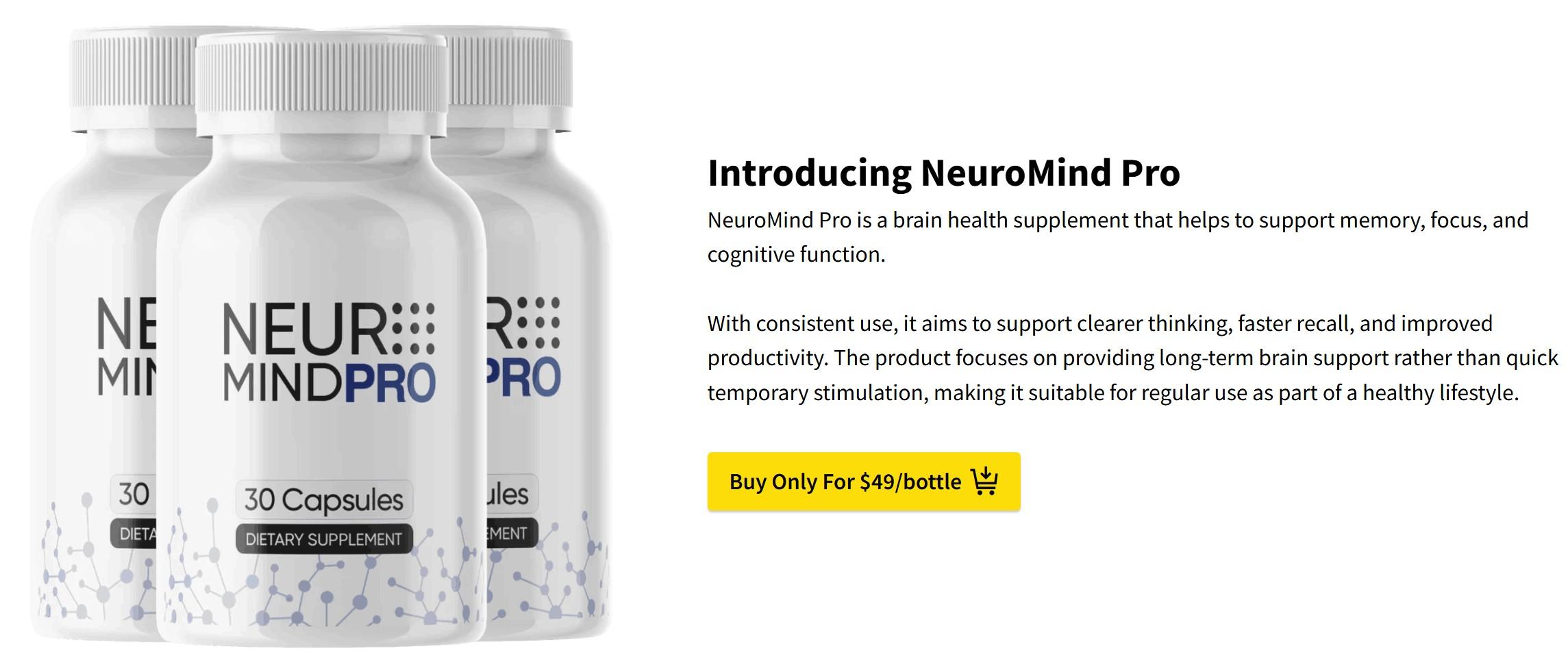
What Is Neuro Mind Pro & How Is It Marketed?
Neuro Mind Pro is marketed online as a cognitive‑support capsule supplement. The scam campaign opens with a dramatic “neuro honey blend” story. Viewers are baited with promises of a secret natural recipe for memory loss, dementia and Alzheimer’s reversal. After watching long fake interview videos, audiences are pushed to buy Neuro Mind Pro capsules as the supposed real‑world solution.
Fraudulent web pages copy the visual style of well‑known news programs including 60 Minutes and the Today Show. These counterfeit sites add fake journalist by‑lines, fake quotes and screenshot‑style graphics to make the pitch appear like serious investigative journalism. None of these news organizations have ever covered or endorsed Neuro Mind Pro.
The Deepfake Celebrity Fraud Explained
Scammers deploy AI deepfake technology to alter the likeness and voice of major public figures. Clips are edited to make it appear Morgan Freeman, Bill Gates and other personalities are sharing personal stories about beating cognitive decline and recommending this supplement.
In reality:
Morgan Freeman has never spoken publicly about discovering or endorsing any Alzheimer’s cure product.
Bill Gates has not developed any “dementia honey recipe” and his foundation has zero connection to Neuro Mind Pro.
The altered lip‑sync, voice audio and interview segments are fully AI‑generated fabrications.
The scam also misuses names of doctors, scientists and Nobel laureates who have no association whatsoever with the supplement sales campaign.
These deepfake videos circulate widely across social‑media platforms. Many older adults and family caregivers searching for dementia resources encounter these misleading ads and are misled by the familiar celebrity faces.
Marketing Claims Vs Medical Reality
Marketing Claim Fact Check Neuro Mind Pro / honey blend reverses Alzheimer’s & dementia False: No supplement or honey product can cure Alzheimer’s disease. No large‑scale clinical trials back these reversal promises. Celebrity 60 Minutes interview confirms these results False: The news show never produced this segment; web pages are fake forgeries. “Evil protein” in the brain can be eliminated by this supplement False: This narrative is entirely invented for marketing purposes. Famous doctors and hospitals endorse the formula False: No mainstream medical institutions back these miracle‑cure assertions.
Official guidance from the Alzheimer’s Association confirms there is no food or supplement proven to stop or reverse Alzheimer’s disease. Prescription medications can manage some symptoms, but there is currently no cure for this neurodegenerative illness.
Major Red Flags Of This Scam Campaign
✅ Warning signs you should always watch for:
Celebrity endorsements coming only from random ad videos, never from the celebrity’s verified official social accounts.
Webpages copying famous news‑site design without actual domain ownership of that news brand.
Unrealistic medical promises: “reverse dementia”, “cure Alzheimer’s”, “restore lost memory”.
Teasing a “secret home recipe” that eventually pushes you to purchase expensive bottled pills.
Vague or hidden business information; unclear refund policy, difficult‑to‑find company contact details.
Social‑media ads using heavily edited, AI‑generated footage you cannot verify elsewhere.
Real‑World Consumer Complaints
From public scam‑tracker feedback, affected buyers report several common issues:
One‑time purchases turning into automatic recurring subscription charges.
Customer service ignoring refund and cancellation requests.
Products arriving that fail to match the dramatic benefits shown in advertisements.
Consumers making purchases out of desperate hope for loved‑ones living with cognitive conditions.
What To Do If You Fall Victim
If you or your family already purchased Neuro Mind Pro under this misleading marketing:
Immediately contact your credit‑card or payment provider, file a fraud dispute, and block recurring billing charges.
Report the scam to the FTC (Federal Trade Commission) in the United States.
Flag the misleading deepfake ads on whichever social‑media platform you encountered them.
Do not rely on this supplement for medical concerns; book appointments with qualified neurologists or geriatric doctors for anyone with memory‑related symptoms.
Legitimate Options For Memory & Brain Health
For people looking to support general brain wellness, keep realistic expectations:
Follow doctor‑recommended lifestyle choices: balanced diet, physical exercise, sufficient sleep and social activity.
For people diagnosed with Alzheimer’s or dementia: stick to FDA‑evaluated prescription medications prescribed by neurologists.
General nootropic supplements may offer mild nutritional support for normal brain function, but cannot cure degenerative brain disease. Always consult your physician before starting new supplements, especially if you take existing prescription medicines.
Final Verdict
Neuro Mind Pro itself operates inside a predatory, AI‑powered scam marketing ecosystem. The entire sales funnel is built around fabricated celebrity testimonials, fake news‑style web pages and medically impossible cure claims.
We cannot confirm whether the capsules themselves contain harmful ingredients. But the way it is being sold is deceptive and fraudulent. The deepfake‑driven advertising preys on families coping with the fear of Alzheimer’s and dementia.
Our advice: Avoid Neuro Mind Pro completely. Do not trust viral ads promising miracle cures for serious degenerative illnesses. If you are concerned about memory loss for yourself or family members, seek real medical advice instead of internet‑sold supplements.
Disclaimer: This article is for consumer educational purposes only, it is not medical advice.