Cognizil Drops Review: Legit or Scam? Investigation Into This Brain‑Support Supplement
Cognizil Drops is a viral liquid dietary supplement heavily advertised online as a natural solution for memory loss, brain fog, age‑related cognitive decline. Many marketing materials go even further, implying it can deliver benefits for Alzheimer’s disease and dementiaMalwareTip....
At first glance its sales pages look polished, formatted to mimic legitimate health‑news outlets. But beneath the professional‑looking layout sits a well‑documented high‑pressure sales funnel, complete with dramatic storytelling, borrowed medical authority, and multiple consumer complaints around misleading checkout practices.
In this independent investigation, we break down exactly how the Cognizil Drops marketing system works, major warning signs, what real consumers report, and actionable steps if you have already placed an order.
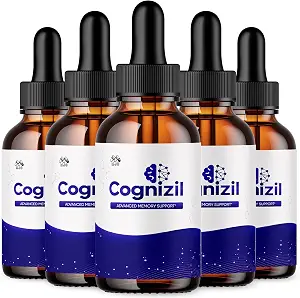
What Exactly Is Cognizil Drops?
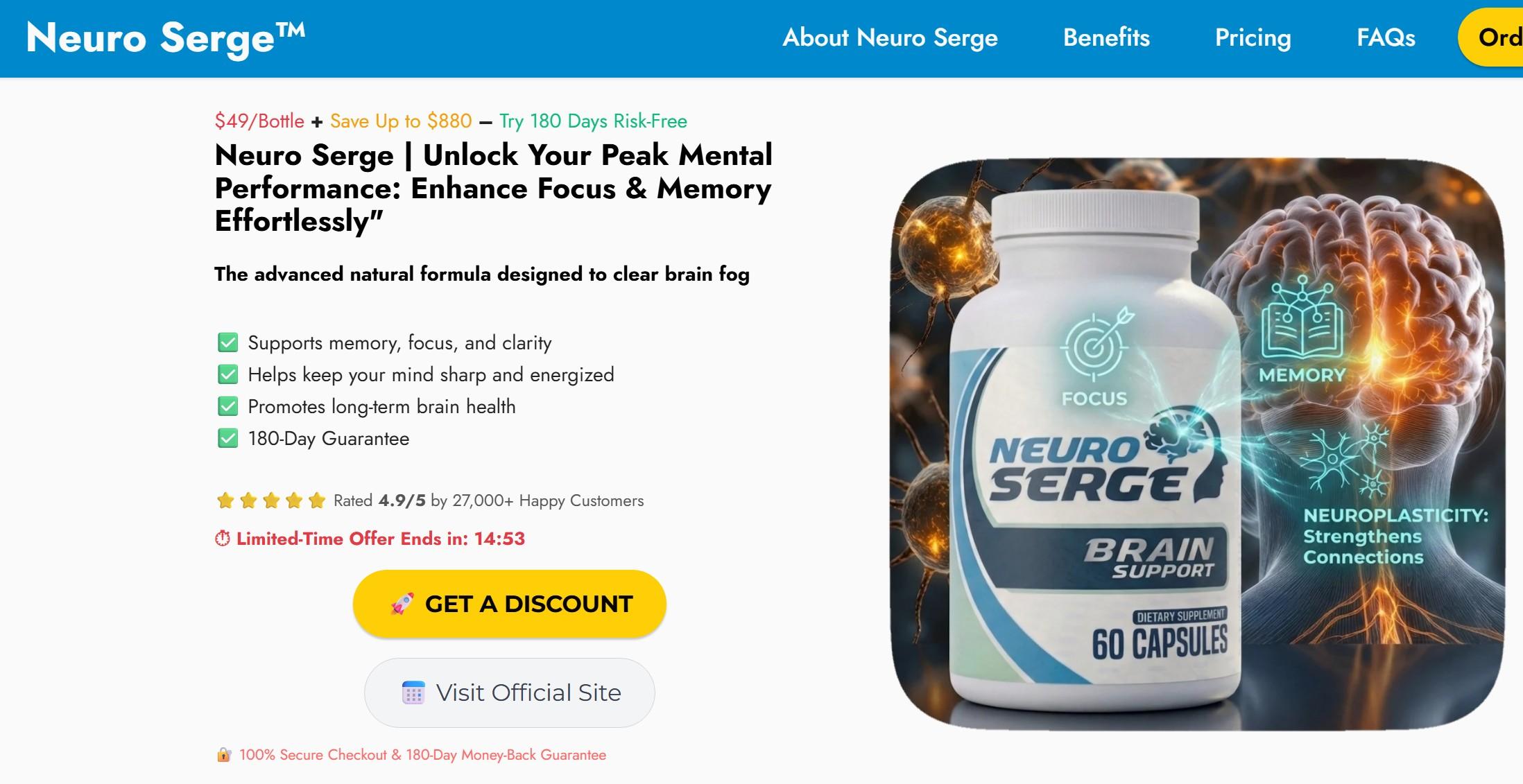
Cognizil Drops is a liquid‑form oral dietary supplement sold exclusively through its dedicated online sales funnels, not widely stocked in mainstream retail stores.
Promotional copy markets it as an all‑natural brain formula to fight brain fog, sharpen focus, reverse age‑related memory decline. Many landing pages weave in emotional stories around dementia and Alzheimer’s, preying on fear of cognitive loss among aging adults and concerned family caregiversMalwareTip....
Dietary supplements in the United States are not evaluated or approved by the FDA to treat, cure or prevent disease. Any supplement claiming to improve or reverse Alzheimer’s or dementia crosses a major red‑flag threshold.
How The Cognizil Drops Multi‑Step Sales Funnel Operates
Cognizil Drops rarely sells via simple standard e‑commerce storefronts. Most customers travel through a carefully constructed multi‑stage funnel built to lower critical thinking and push impulse buying.
Scroll‑stopping paid social / display adsAds trigger on fear and hope: fear of losing memory, anxiety about aging, hope of an easy, cheap fix for cognitive issues. Some borrow implied celebrity or medical‑expert credibility.
Redirect to fake‑news‑style advertorial landing pageClicking the ad opens an advertorial: a sales page designed to look like CNN Health or other trusted medical‑news publication. It includes fake bylines, stock photos of doctors, “BREAKTHROUGH” headlines to trick visitors into believing they are reading objective reporting, not paid advertisingMalwareTip....
Tease a “secret breakthrough recipe” baitPages hype a “$12 golden honey recipe”, “Harvard doctor secret”, or “one weird brain trick”. Instead of giving clear instructions, the story drags on, telling readers “keep reading until the end”. This retention tactic builds curiosity without delivering the promised simple solution. Eventually the narrative pivots to selling Cognizil Drops itself.
Embedded long‑form persuasive videoBuilt‑in videos walk through a familiar script: describe scary brain damage threats, reveal a so‑called hidden root cause mainstream medicine ignores, tease a simple natural fix, and position Cognizil Drops as your only real answer. It uses animated brain graphics and dramatic user testimonials with no independent verification.
Fake credibility badges appearPages plaster phrases: “clinically proven”, “doctor‑recommended”, “GMP‑certified”, “made in USA”. These claims are presented without linking to lab reports, peer‑reviewed clinical trials or third‑party verification documents.
Urgency and artificial social‑proof pressureCountdown timers, “limited stock”, pop‑ups showing “recent buyers”, “people viewing now” all create false scarcity to push shoppers to complete purchase without researching elsewhere.
Pricing pushes large multi‑unit bundlesPricing structure makes buying one bottle feel overpriced and irresponsible. “3‑bottle recommended” and “6‑bottle best‑value” bundles are heavily highlighted to raise average order value.
Checkout upsells and fine‑print billing risksThis is where most consumer complaints originate. Pre‑selected higher quantities, deceptive upsell pop‑ups, vague merchant statement descriptors and buried fine print referencing autoship / continuity membership terms can trap buyers into recurring charges they never intended to sign‑up for.
Post‑purchase support frictionAfter paying, buyers may face email‑only contact channels, slow replies, strict return windows and high barriers to getting full refunds.
Important note: This exact funnel template is reused for dozens of re‑branded memory‑drop products; operators swap product names and rewrite minor story details when one brand accumulates too many complaints.
Deceptive Marketing Tactics & Red Flags
Fake Authority Theater
One of the most obvious warning signs is “credibility theater”.
News‑style page layouts that mimic well‑known health‑media outlets without actual affiliation
Stock‑image doctors in white coats presented as product experts, with no verifiable credentials
References to “Harvard doctors” without naming specific researchers or linking to university publications
“As‑seen‑on” logos without links proving real media coverage
A logo, stock photo or news‑page layout is not real third‑party endorsement.
Misleading Scientific‑Sounding Language
Sales pages throw around terms including brain plaques, brain inflammation, blocked cerebral blood flow, mitochondrial repair, neurogenesis activation. Many of these words do appear in legitimate neuroscience research.
However, the funnel skips complex nuance and jumps straight to a simplistic sales conclusion: buy Cognizil Drops to fix these issues. No independent evidence connects Cognizil Drops formula to these biological benefits. Using scientific jargon to sound authoritative without supporting data is a classic sales trick.
Exploiting Vulnerable Emotions
Memory loss, dementia and Alzheimer’s are deeply stressful for patients and their families. The marketing preys on that emotional vulnerability by promising quick, affordable reversal of serious degenerative medical conditions — promises no over‑the‑counter supplement can legally or realistically deliver.
Missing Independent Scientific Proof
The sales material repeatedly suggests powerful cognitive benefits, yet critical evidence is absent:
No peer‑reviewed human clinical trials published for the exact Cognizil Drops proprietary formula.
Individual ingredient dosages inside the blend are not fully disclosed on sales pages.
Marketing confuses general research on isolated nutrients with proven results for their finished liquid‑drop product.
Dietary supplements cannot receive FDA approval for treating dementia or Alzheimer’s. Any claim hinting at disease treatment is a major red flag.
Common Consumer Complaints & Billing Risks
Public consumer feedback highlights recurring pain‑points for purchasers:
Unexpected higher charges due to pre‑selected multi‑bottle bundles at checkout.
Surprise recurring monthly autoship / continuity billing many shoppers never knowingly agreed to activate.
Difficulty reaching customer service for cancellations and refund requests.
Strict return conditions and slow processing when refunds are finally approved.
Unmet expectations: users report no noticeable improvements to memory or brain fog after using the drops.
Frequently Asked Questions
Q: What is Cognizil Drops?
A: Cognizil Drops is an online‑sold liquid dietary supplement marketed for memory, focus and brain fog. Promotional content misleadingly implies benefits for Alzheimer’s and dementia. It is sold through high‑pressure advertorial sales funnels.
Q: Is Cognizil Drops FDA‑approved?
A: No. Dietary supplements are not “FDA approved” the way prescription medications are. The FDA does not review supplement products for safety and effectiveness before they hit the market. Claims suggesting FDA approval on Cognizil Drops landing pages are misleading.
Q: Can Cognizil Drops cure or reverse Alzheimer’s or dementia?
A: No. No over‑the‑counter supplement can cure, reverse or treat Alzheimer’s disease or dementia. Any marketing messaging implying otherwise is deceptive. Anyone suffering cognitive decline must consult a real medical provider.
Q: Are the “golden honey recipe” and Harvard‑doctor stories real?
A: They are marketing bait. The advertorial teases a supposed simple home remedy, but never delivers complete usable instructions. The true objective is to push visitors toward buying Cognizil Drops.
Q: Are the customer testimonials and doctor quotes genuine?
A: Many featured testimonials and expert quotes cannot be independently verified. They may be scripted, stock‑media or AI‑generated content created purely for sales purposes.
Q: Why am I seeing unexpected recurring charges after buying Cognizil Drops?
A: The checkout page contains fine‑print continuity / autoship clauses many consumers overlook. Even buyers ordering a “one‑time purchase” can get enrolled into monthly recurring shipments and charges.
What To Do If You Bought Cognizil Drops
If you have already purchased Cognizil Drops, take these practical steps right away:
Save all evidence: Screenshot adverts, landing‑page URL, order confirmation emails, receipts and bank or credit‑card transaction statements. This documentation is critical for payment disputes.
Audit your bank / card statements: Watch closely for repeat monthly charges under the merchant’s name or alternate billing descriptor.
Send a written cancellation request: Email the merchant to demand full cancellation of any autoship, continuity or membership program, and ask for written confirmation. Keep a copy of your message.
Contact your financial institution: If unauthorized recurring charges appear, open a formal dispute with your bank or credit‑card issuer, and request to block future merchant withdrawals. In severe cases, request a replacement card number.
Do not rely on it for medical needs: Stop using it if you experience side‑effects. Seek professional medical care for memory‑related symptoms.
Report misleading ads: Flag deceptive advertisements on the social‑media platform you encountered them on.
Important: Do not rely only on the merchant’s own cancellation web forms; always escalate via your bank for best protection against hidden billing.
How To Spot Similar Brain Supplement Scams
Watch for these universal warning signs before buying any cognitive‑health supplement online:
Sales page disguised to look like objective news or medical reporting (advertorial).
Promises to reverse dementia, Alzheimer’s or other serious degenerative diseases.
“Secret doctor breakthrough”, “big‑pharma‑suppressed cure” narrative tropes.
Countdown timers, fake‑limited‑stock urgency pop‑ups.
Heavy push for multi‑unit bundles at checkout, vague fine‑print mentioning autoship / continuity plans.
No links to independent clinical studies verifying the finished‑product formula.
Always search the product name plus keywords “scam”, “complaints”, “billing” before entering your payment information.
Final Verdict
Cognizil Drops is sold via a manipulative, high‑pressure online sales funnel built on emotional storytelling and borrowed credibility. While the physical supplement product may physically arrive after ordering, its sweeping memory‑improvement and dementia‑related marketing claims lack independent scientific proof.
The biggest risk for consumers lies not only in unproven supplement effects, but in the deceptive checkout design, potential hidden recurring billing and poor customer‑support experiences reported by multiple buyers.
If you are searching for brain‑health support, speak with your doctor rather than trusting viral advertorial supplement funnels found on social‑media feeds.
Rating: 1.8 / 5 Stars — Exercise Extreme Caution, Not Recommended
Disclaimer: This article represents independent consumer investigative reporting. It is not legal or medical advice. If you encounter financial harm, contact your local consumer‑protection agency and your financial institution.