Mind Wake Supplement Review: Exposing Scam Ads, Marketing Funnel & Critical Red Flags
Mind Wake is marketed online as a natural cognitive and brain‑support dietary supplement. Its paid social‑media advertisements and landing pages make bold claims about fighting brain fog, age‑related memory decline, and even imply benefits for serious neurodegenerative conditions such as Alzheimer’s and dementiaMalwareTip....
On the surface, sales material looks polished, mimics professional medical‑news formatting, and uses emotional storytelling to win over readers. But underneath the slick presentation lies a well‑documented high‑pressure sales funnel full of red flags. This investigative review unpacks Mind Wake’s marketing tricks, common consumer complaints, how its ad‑to‑checkout funnel works, and actionable steps if you have already placed an order.
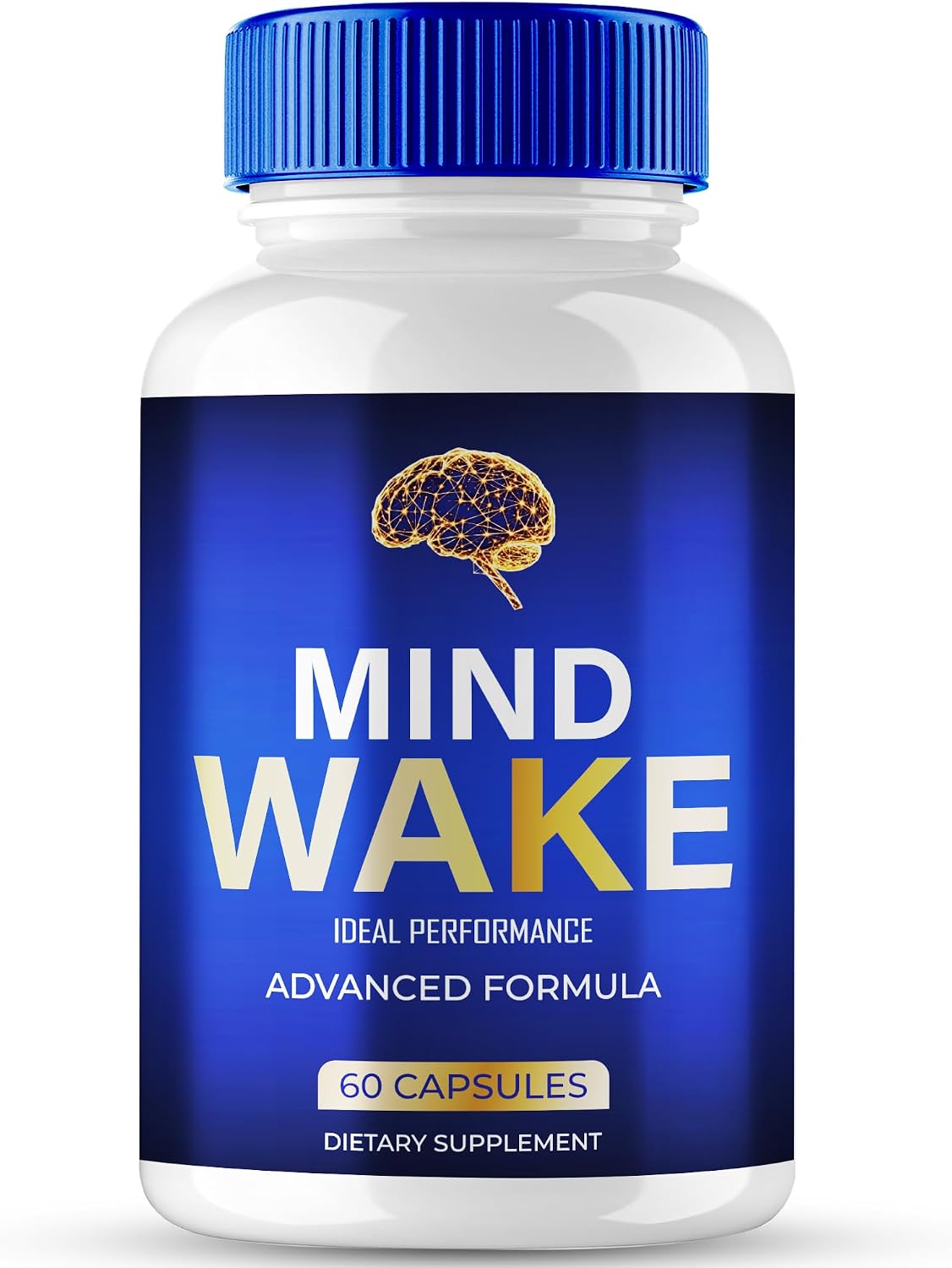
What Exactly Is Mind Wake Supplement?
Marketed as an all‑natural dietary supplement for brain health, Mind Wake is sold to people concerned about brain fog, poor focus, and age‑related memory decline. Its promotional content frequently goes far beyond general memory support and hints it may help people dealing with dementia and Alzheimer’s diseaseMalwareTip....
These are extremely high‑stakes medical conditions. No over‑the‑counter supplement should advertise itself as a solution for these serious illnesses.
Mind‑style supplement campaigns commonly open with clickbait “breakthrough” hooks: a “golden honey recipe”, “one weird brain trick”, or a secret remedy supposedly suppressed by big‑pharma interests. The tease builds curiosity, yet the so‑called simple recipe is almost never fully revealed. Instead, the story funnels readers directly toward purchasing bottles of Mind Wake supplement.
Manipulative Marketing Hooks & Fake Authority Tactics
One of the most glaring red flags of Mind Wake’s campaign is what experts call “credibility theater”. The landing page copies the visual style of trusted health‑news outlets, but it is pure paid advertising (advertorial), not independent journalismMalwareTip....
Common fake‑authority tricks you will see:
Layout and formatting mimicking CNN Health or major medical‑news publications, without actual publication partnership.
References to “Harvard doctors”, without verifiable named experts or peer‑reviewed research papers linked.
Stock‑photo images of doctors in white lab coats; these are generic stock assets, not medical professionals endorsing Mind Wake.
“As‑seen‑on” logo badges with zero real‑world media‑coverage links attached.
A stock photo, a logo graphic, or a news‑looking page design does not equal third‑party endorsement.
The marketing also weaponizes fear: anxiety about aging, fear of losing memory and independence, and family fear of watching loved‑ones suffer cognitive decline. It pushes a simple narrative: mainstream doctors are hiding a cheap natural solution. This conspiracy‑style framing is designed to push visitors to buy quickly instead of researching objectively.
Much of its marketing language tosses around neuroscience‑sounding buzzwords: brain inflammation, plaque buildup, blocked cerebral blood flow, mitochondrial repair, neurogenesis activation. While these terms do exist inside legitimate scientific papers, Mind Wake’s ads jump straight from complex neuroscience to the simple sales conclusion: “buy our supplement bottle”. No independent product‑specific evidence bridges that gap.
Step‑by‑Step Breakdown Of The Mind Wake Sales Funnel
Mind Wake rarely sells via a straightforward standard e‑commerce storefront. Almost all customers travel through a multi‑step psychological funnel built to reduce skepticism and speed impulse buying:
Scroll‑stopping paid ad: Social‑media or display‑network ads trigger emotional fear about memory loss, dementia and aging. Ads may use actors or AI‑generated footage.
Click‑through to fake‑news‑style advertorial: Visitors land on a page that looks like news reporting, but exists exclusively to sell the supplement.
Tease the “secret breakthrough recipe”: The page promises a simple home remedy, yet delays revealing it to keep users on‑page. Readers are told “watch until the end”.
Long embedded sales video: Dramatic animated brain graphics, scripted testimonials, and conspiracy framing build emotional investment.
Trust badges appear: Claims like “doctor‑recommended”, “GMP‑certified”, “made in USA”, “clinically‑proven” pop up, with no attached lab reports or independent study documentation.
Artificial urgency triggers: Countdown timers, “limited stock” warnings, live‑popup “recent buyer” notifications pressure instant purchasing.
Bundle‑based pricing strategy: One‑bottle pricing appears expensive; 3‑bottle and 6‑bottle bundles are presented as “best value”, pushing shoppers into larger‑volume orders.
Risky checkout phase: Pre‑selected large quantities, hidden upsells, confusing fine‑print language for auto‑ship / continuity‑program memberships. Many consumers report being charged for subscriptions they never knowingly opted‑into.
Post‑purchase support friction: After payment, buyers often face slow email‑only support, strict return‑window rules, and obstacles trying to obtain refunds.
When public complaints pile up against one supplement brand, operators frequently switch domain names, rename the product, swap the story hook, and run this exact same funnel under a new brand identity.
Major Consumer Risks & Common Complaints
Public consumer feedback highlights recurring pain‑points for Mind Wake buyers:
Unexpected continuity / auto‑ship monthly recurring charges buried inside checkout fine print.
Being charged for multi‑bottle bundles even when intending only to purchase a single bottle.
Difficult‑to‑reach customer support, slow or denied refund requests.
Zero measurable improvement in memory, focus or brain fog after using the supplement.
Confusing, inconsistent return‑policy wording across different website pages.
Important note: Not every customer encounters every single problem, but this combination of high‑pressure advertising and checkout‑page fine‑print creates well‑documented consumer risk.
Mind Wake Marketing Claims vs Real‑World Reality
| Marketing Claim | Independent Investigation Verdict |
|---|---|
| Supports memory, brain fog & age‑related cognitive decline | Contains generic supplement ingredients; no public product‑specific clinical trials prove advertised cognitive benefits. |
| Helps users suffering Alzheimer’s / dementia | Major red flag. No over‑the‑counter supplement can treat or reverse Alzheimer’s or dementia. This is emotionally exploitative marketing. |
| Clinically‑proven, doctor‑recommended | Badge graphics presented without links to independent clinical‑study documentation. |
| Simple “secret breakthrough natural recipe” | The “recipe” is purely a clickbait hook; the real offer is buying supplement bottles. |
| Risk‑free easy refund | Refund policy comes with strict timing, return‑shipping and processing‑fee conditions buried in fine print. |
Frequently Asked Questions
Q: What is Mind Wake supplement?
A: Mind Wake is a dietary brain‑support supplement sold via high‑pressure advertorial sales funnels online. Ads market it for memory, brain fog, age‑related cognitive decline, and make suggestive claims about dementia and Alzheimer’s disease.
Q: Is Mind Wake legit or a scam?
A: Bottles of product may physically ship to buyers, but its entire marketing ecosystem carries severe red flags: fake‑news‑style advertorial pages, unproven medical‑condition claims, fake‑authority props, and multiple consumer reports of hidden recurring‑billing risks. It is classified as a high‑risk supplement offer.
Q: Can Mind Wake cure or reverse Alzheimer’s or dementia?
A: Absolutely not. No over‑the‑counter dietary supplement can cure, reverse or treat Alzheimer’s or dementia. Any marketing implying otherwise is dangerous and misleading. Anyone experiencing cognitive decline should visit a qualified medical professional.
Q: Are the “Harvard doctor” and news‑page references real?
A: Most are credibility‑theater marketing tricks. The pages mimic major‑news‑site layout without genuine media partnerships. No named Harvard doctors are verifiably connected to the formulation.
Q: Is Mind Wake FDA‑approved?
A: Dietary supplements do not receive “FDA approval” the same way prescription drugs do. “FDA approved” badges on supplement landing pages are almost always misleading marketing graphics.
Q: What is continuity / auto‑ship subscription trap?
A: Checkout‑page fine print can enroll buyers into recurring monthly auto‑ship billing, even if shoppers only intend to make a one‑time single‑bottle purchase. Many users discover unexpected monthly charges on their bank statements weeks after ordering.
What To Do If You Purchased Mind Wake Supplement
If you already bought Mind Wake, take these practical steps immediately to protect yourself:
Save all evidence: Screenshot ads, landing‑page URLs, checkout totals, order‑confirmation emails, receipts, and bank or credit‑card statement records. You will need documentation if you need to dispute charges.
Audit your bank / credit‑card statements: Look for repeated, unexpected monthly charges under the merchant name related to Mind Wake. Watch statements for a minimum of 60 days post‑purchase.
Send explicit written cancellation request to the seller: Include your full name, order number, purchase email. Write clearly: “Cancel any and all auto‑ship, continuity or subscription programs associated with my order. Do not charge me any further. Send written confirmation of cancellation.” Keep copies of your message.
Work directly with your card‑issuer if you see unauthorized charges: File a charge‑back dispute, and ask your bank to block future merchant withdrawals. In serious cases request a replacement debit or credit‑card number. Do not rely solely on the brand’s own cancellation web‑forms.
Seek medical guidance if you have cognitive‑health concerns: Do not use any supplement as replacement for real medical evaluation. If you take prescription medication, consult your pharmacist or doctor before starting any new supplement product.
Report misleading ads: Flag deceptive content on the social‑media platform where you encountered the Mind Wake advertisements.
How To Spot Similar Memory‑Supplement Scams
Use this quick checklist for any brain‑health or memory supplement you see advertised online:
🚩 Ad or landing page looks like real news but has no genuine editorial news‑source attribution.
🚩 Makes miracle‑level promises: reverse dementia, cure memory loss, secret trick hidden by big‑pharma.
🚩 Heavy use of countdown timers, “limited‑stock”, pop‑up social‑proof pressure tactics.
🚩 Displays “clinically‑proven”, “doctor‑approved” badges, yet links to zero independent published studies for that exact supplement formula.
🚩 Checkout pushes large multi‑unit bundles by default, with confusing fine‑print for auto‑ship or continuity membership terms.
🚩 Company legal identity, physical address and manufacturer details are vague or hard to locate.
If you see most of these warning signs, treat the offer as high‑risk and avoid purchasing.
Final Verdict
Mind Wake itself may ship physical supplement bottles to customers. However, its surrounding marketing infrastructure relies on manipulative emotional storytelling, fake‑news‑style advertorial pages, borrowed fake authority, and dangerous suggestive claims about Alzheimer’s and dementia. Public consumer complaints highlight real risks around confusing checkout terms and potential recurring billing traps.
No public independent clinical evidence validates Mind Wake’s bold advertised cognitive‑health benefits. This exact sales‑funnel blueprint keeps reappearing online under new supplement brand names. Learn to recognize the pattern, and you can protect yourself from similar high‑risk offers in future.
Our Rating: 1.4 / 5 — Not Recommended
Disclaimer: This is independent consumer investigative reporting, not medical or legal advice. If you experience memory or cognitive‑health symptoms, consult a licensed healthcare provider. If you face unauthorized financial charges, contact your financial institution or local consumer‑protection agency.