SodaSlim Reviews (2026): Is the Baking Soda Weight Loss Pill a Scam or Legit?
In late July 2026, thousands of users began searching for legitimate SodaSlim reviews after encountering viral ads and long-form videos claiming a “$1 baking soda recipe” helped Oprah Winfrey lose 43 pounds, formulated by a Yale physician named Dr. Ania Jastreboff.
Our independent fact-checking investigation confirms: SodaSlim and its associated baking soda weight loss claims are an orchestrated online scam. Neither Oprah Winfrey, Dr. Jastreboff, the Today show, nor any major university has endorsed this product or recipe. The entire campaign relies on AI-generated videos, fake celebrity endorsements, fabricated user reviews, and hidden recurring charges.
Quick Verdict: Why We Classify SodaSlim as a Scam
No legitimate celebrity or medical endorsement from Oprah Winfrey or Dr. Ania Jastreboff
Counterfeit Today show landing page with no official media affiliation
AI-generated testimonial videos, face-swapped images, and synthetic voiceovers
Bait-and-switch: teases a cheap baking soda recipe, then sells unproven SodaSlim capsules
Hidden monthly subscription fees reported by consumers of similar scam schemes
Money-back guarantees are consistently not honored in identical past supplement scams
How the SodaSlim Baking Soda Scam Operates
This scam follows a proven four-step funnel designed to lower user skepticism and drive high-margin supplement sales.
Step 1: Targeted Ads Tease a Pantry-Staple Trick
Scammers run targeted ads across social media and third-party websites, using headlines that reference familiar, low-cost household ingredients and celebrity names. One widely circulated headline reads: “Yale Doctor Reveals the $1 Baking Soda Recipe That Helped Oprah Drop 43 lbs — Without Injections.”
Leveraging baking soda — a common item found in most home pantries — is a deliberate psychological tactic. It feels safe, familiar and affordable, which lowers user guard and encourages clicks.
Step 2: Fake Today Show Landing Page
Clicking the ad directs users to a website designed to look like an official Today show article. The site hosts a long-form video presentation framed as a news exposé.
In reality, the Today show has never published any such report. This is a fully fabricated landing page built exclusively to market SodaSlim. This is far from an isolated tactic: the official Today show has previously reported on widespread fake GLP-1 and weight loss ads flooding social platforms.
Step 3: Hour-Long AI Video Pitch
The core of the scam is an hour-plus long video presented as an investigative report. Throughout the video, viewers hear weight loss testimonials from supposed users, references to Yale and Harvard research, and repeated mentions of Oprah Winfrey and Dr. Ania Jastreboff.
Our verification found multiple layers of fabrication:
Testimonial speakers are AI-generated digital avatars, not real customers
Footage purporting to show Oprah and Dr. Jastreboff uses AI face-swapping technology
Claims of university-backed clinical trials are entirely unsubstantiated
The video repeatedly teases a “simple baking soda recipe” but never actually shares a usable formula
Small linguistic errors and unnatural speech cadence match known patterns of AI-generated script and voiceover
Step 4: Bait-and-Switch to SodaSlim Capsules
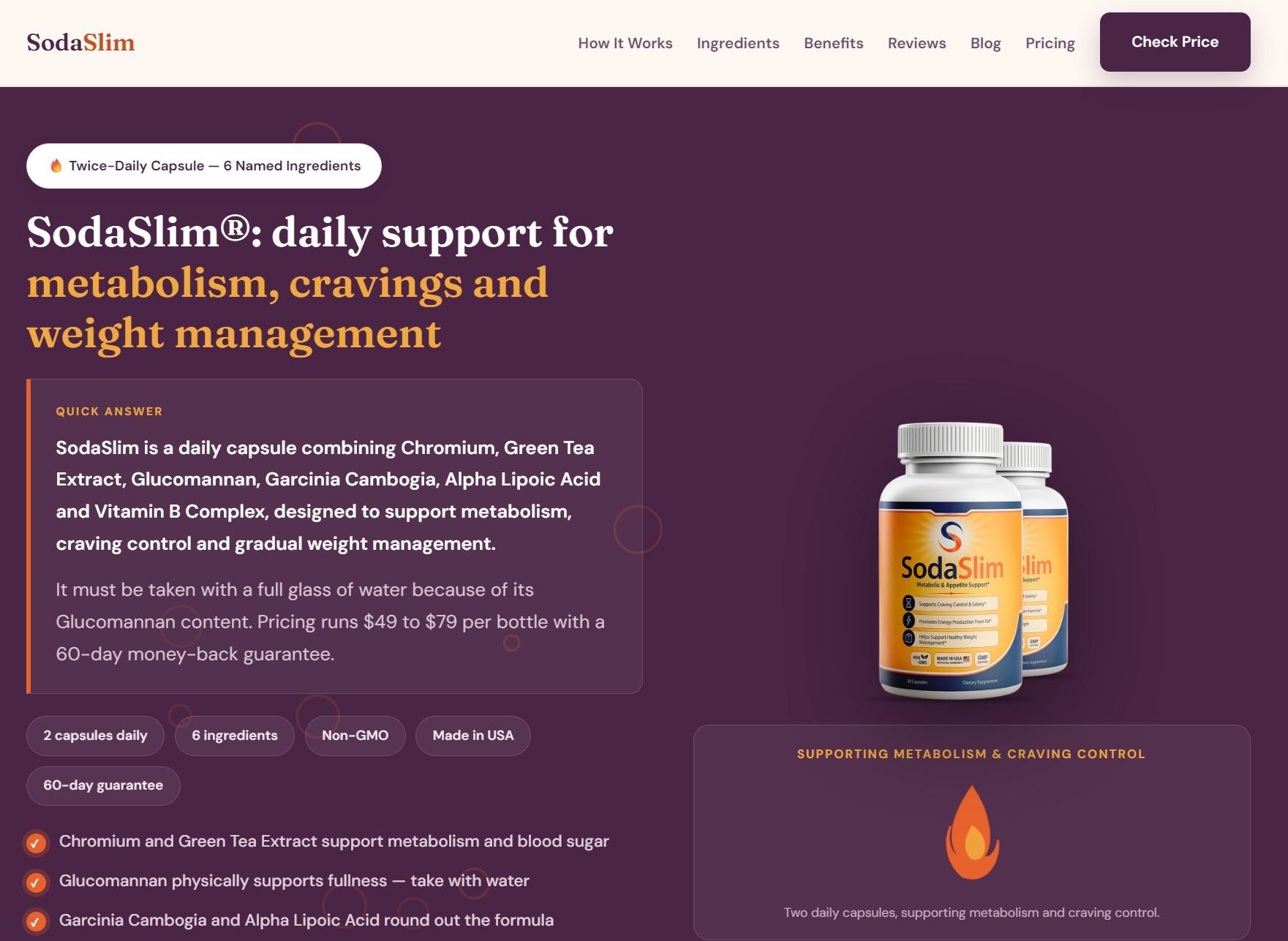
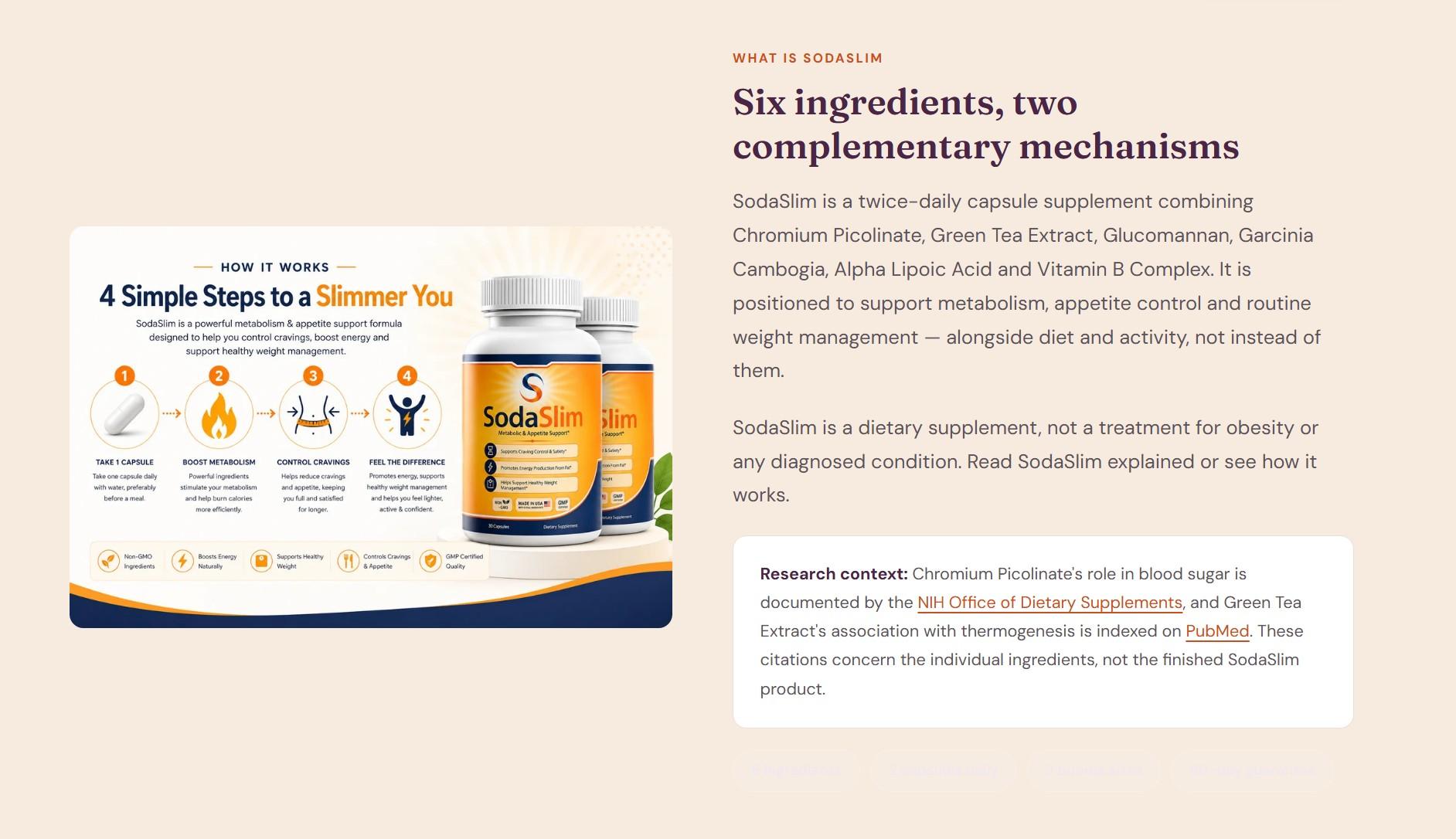
By the end of the video, the pitch shifts entirely from the “baking soda trick” to a bottled supplement called SodaSlim, marketed as “metabolic and appetite support.”
This is a classic bait-and-switch: users arrive looking for a cheap, simple home remedy, and end up being sold an unregulated dietary supplement with no proven weight loss benefits.
Evidence the SodaSlim Campaign Is Fully Fabricated
1. No Celebrity or Medical Endorsement Exists
Oprah Winfrey has been a repeated target of fake weight loss product endorsements for years, and she has never publicly promoted SodaSlim or any baking soda weight loss shot.
Dr. Ania Jastreboff, a Yale-affiliated physician, is also falsely associated with the product. She has no professional connection to SodaSlim and did not formulate any such weight loss recipe. No hospitals, university medical departments, or licensed medical professionals have backed this product.
2. The Product Is a Rebranded Scam Formula
SodaSlim is not a new or unique supplement. Scammers regularly repackage the same basic formula under new brand names for three key reasons:
To dominate search engine results for the new name before scam warnings go live
To escape negative reviews and complaints attached to older product versions
To test which marketing angle and product name converts best
Research traces the operation primarily to Brazil, with U.S.-based phone lines used for upselling and customer support.
3. Reviews and Testimonials Are Manufactured
Positive SodaSlim reviews featured in the promotional materials are fabricated. This aligns with a long pattern of identical supplement scams, where scammers generate fake before-and-after photos, testimonials and star ratings to build false credibility.
Past nearly identical scams — including the so-called “gelatin trick” weight loss hoax — also showed the same pattern of manufactured social proof and unfulfilled refund promises.
Pricing, Hidden Fees and Financial Risks
While marketing frames the product as low-cost, consumer reports from nearly identical scam schemes reveal significant financial risks:
Hidden recurring subscriptions: Many users are enrolled in automatic monthly billing without clear, informed consent, resulting in charges of hundreds of dollars per month
Intentionally difficult cancellation: Customer support lines are often unresponsive, or agents deliberately delay and complicate cancellation requests
Unfulfilled refund guarantees: Advertised money-back promises are rarely honored. Scammers commonly offer only partial refunds or ignore requests entirely
Aggressive phone upselling: Sales teams call customers to push additional, often incompatible supplements, targeting older and less digitally savvy consumers
Does Baking Soda Actually Help With Weight Loss?
To address the core claim behind the marketing: drinking baking soda water is not a proven, safe, or effective method for sustained weight loss.
While baking soda has limited, specific medical uses (such as temporary indigestion relief in appropriate doses), there is no credible clinical evidence that it produces meaningful, long-term weight loss. Misusing baking soda can also cause digestive side effects and dangerous electrolyte imbalances.
Anyone seeking evidence-based weight loss guidance should consult a licensed primary care physician.
What to Do If You Already Ordered SodaSlim
If you have already purchased SodaSlim or suspect you are being charged without consent:
Contact your bank or credit card issuer immediately to dispute unauthorized recurring charges
File a formal complaint with the Internet Crime Complaint Center (IC3) at IC3.gov
Save all order confirmations, billing statements, and screenshots of the promotional website as evidence
Do not engage with unsolicited calls offering additional products or “refund assistance” — these are frequently follow-up scams
Final Verdict
The SodaSlim baking soda weight loss campaign is a textbook online supplement scam. It exploits trust in celebrity figures, familiarity with common household ingredients, and AI-manipulated media to sell an unproven product with hidden financial risks.
If you are researching weight loss solutions, avoid unregulated online supplements and seek guidance from a qualified healthcare provider.