RingGo Parking Scam Text Message Alert: What Drivers Must Know
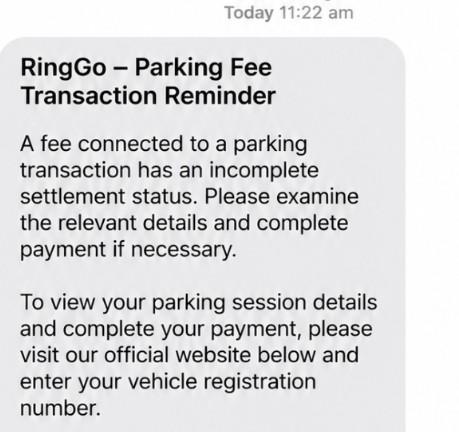
Have you received an unexpected SMS pretending to come from RingGo, claiming you have an unpaid parking fee or incomplete parking transaction? If so, you have encountered an active smishing scam targeting motorists across the United Kingdom.
These fraudulent text messages look surprisingly authentic. Many drivers get caught off‑guard, especially if they have recently parked their vehicle and used parking‑app services. This guide breaks down exactly how the RingGo parking text scam works, clear warning signs, and what actions you should take to avoid giving away your financial information.
What Is the RingGo Parking Smishing Scam?
This is a text‑message‑based phishing attack (known as smishing). Fraudsters send out mass‑distributed SMS impersonating RingGo parking service.
The message will state you have unsettled parking fees and prompt you to tap an embedded link to view your parking records and complete payment. When you click, you land on a well‑crafted fake copy‑cat website.
The cloned site closely mimics RingGo’s real‑world layout and branding. Victims are asked to input vehicle registration numbers, debit or credit card numbers, expiry dates, and other private data. All submitted financial details go straight to scammers, putting your bank account at risk.
Scammers rely heavily on manufactured urgency. They want you to panic over an alleged unpaid parking fine and click fast without pausing to verify if the notice is genuine.
Important note: Real RingGo official communications never send text‑message links for you to settle outstanding parking payments via SMS hyperlink.
Clear Red Flags To Spot the Fake RingGo Text
Watch for these obvious warning signals. If you spot any of these markers, you can safely treat the SMS as a scam:
No specific personal details inside the text The scam message uses generic wording. It does not include your exact parking date, parking time, vehicle registration plate number, or specific parking location. Legitimate official parking notifications always reference concrete transaction details tied to your account.
Suspicious, altered website domain name Examine every URL inside the text message. The web address will not match RingGo’s official domain ringgo.co.uk. Scammers use slight misspellings or unusual suffixes such as ringoh‑co.shop/uk to trick readers into trusting the link.
Unexpected parking‑fee notice Lots of recipients have never even installed or used the RingGo parking app. Even if you have used RingGo before, think carefully: do you recall making that parking transaction? Receiving an out‑of‑the‑blue payment demand is a major warning sign.
Grammar errors and awkward phrasing Though the overall layout looks convincing, scam texts often contain odd sentence construction, typos and grammatical mistakes you will never see in official corporate‑issued messages.
What You Should Do If You Get This Scam SMS
Follow these simple security rules immediately:
Do NOT tap or click any link included within the text message.
If you genuinely worry you might hold an unsettled RingGo parking bill: open your RingGo mobile app manually, or type the verified official RingGo web address directly into your browser address bar. Never follow links delivered by text message.
Do not reply to the scam sender, even to send “STOP”. Replying confirms your phone number is active to scammers and can result in further spam and scam texts.
Delete the fraudulent text. Report it as spam via your mobile carrier’s built‑in reporting tools.
If You Already Clicked the Link And Entered Details
If you have unfortunately visited the fake website and typed in your credit‑card or banking information, act without delay:
Get in touch with your bank or card provider right away. Explain you fell for the RingGo parking smishing scam. Ask them to monitor for unauthorized transactions, freeze or replace your payment card as needed.
Save screenshots of the scam text message for evidence.
Report the phishing incident to relevant cyber‑crime reporting services in your region.
Final Security Takeaways
Scammers count on that split‑second panic you feel upon reading an unexpected parking‑debt notice. Many motorists instinctively rush to resolve supposed fines before stopping to validate the source.
Whenever you receive an SMS demanding urgent payment for parking services: pause and verify independently. Never trust hyperlinks delivered inside unsolicited text messages. Spending a few extra seconds double‑checking information can keep your banking information out of criminals’ hands.
Reminder: RingGo will never pressure users to settle alleged unpaid parking fees by clicking links sent via text message.