USPS ECCC SMS Scam: What Is This Fake Shipping Smishing Text & How To Stay Safe
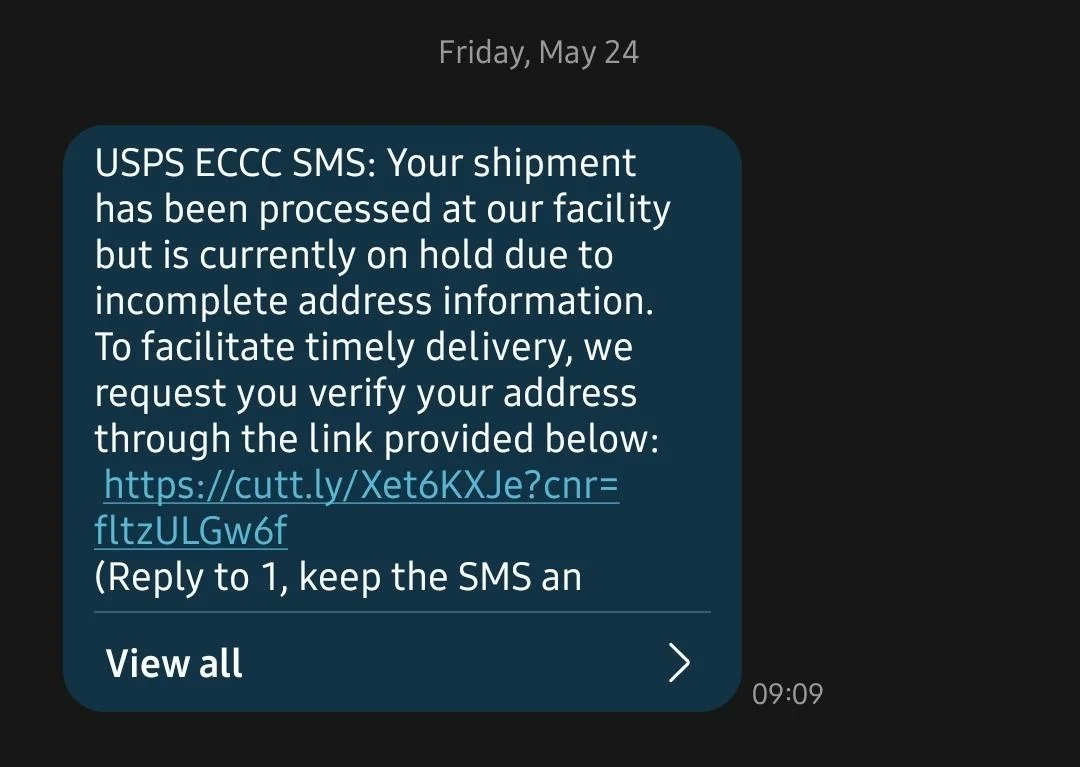
Have you gotten an unexpected SMS reading: “USPS ECCC SMS: Your shipment has been processed at our facility but is currently on hold due to incomplete address information.To facilitate timely delivery, we request you verify your address through the link provided”?
If yes: this is not genuine USPS communication. It is a well‑documented smishing scam. Smishing means phishing fraud delivered by mobile text message. Scammers impersonate United States Postal Service to trick ordinary people into handing over personal data and credit‑card details. This guide breaks down how the USPS ECCC SMS scam works, clear warning red flags, safe handling steps, and critical recovery actions if you have already tapped the harmful link.
What Exactly Is The USPS ECCC SMS Smishing Scam
USPS ECCC SMS is a mass‑distributed smishing campaign. Cyber‑criminals send out thousands of identical text messages pretending to be official USPS correspondence.
The core trick: they tell recipients their parcel cannot move forward because of incomplete address data, and urge users to click an included link to resolve delivery delays.
This is purely social‑engineering deception. There is no actual detained shipment. The whole message exists only to drive victims to a fake look‑alike website controlled by scammers.
Clear Red Flags To Spot The Fake USPS Text
You can quickly identify this and similar USPS‑impersonation scam messages by these warning signs:
Unusual, non‑official website link: The URL in the text does not belong to the official
usps.comdomain. Fake sites use modified, spoofed domain names.Artificial urgency: Language pressures you to act fast to avoid missing your package delivery.
Missing valid tracking ID: Legitimate USPS delivery alerts always tie to a real package tracking number, which this scam text omits completely.
Grammar and wording flaws: The message contains awkward phrasing typical of mass‑produced scam templates.
Unsolicited outreach: You never requested USPS SMS updates for any package, yet you still receive this notice out‑of‑the‑blueUnited Sta....
Important fact: Genuine USPS does not blast random customers with cold texts demanding you click third‑party links to validate an address or pay fees for parcel release.
How The USPS ECCC SMS Fraud Operates Step‑by‑Step
Scammers blast bulk SMS messages to large groups of mobile phone numbers with the USPS ECCC SMS fake delivery template.
Curious recipients tap the embedded short link inside the text message.
The browser loads a spoofed fake website made to visually resemble USPS services.
The counterfeit page tells you you must pay a small processing or correction fee to unlock your held shipment.
When victims enter credit‑card numbers, names and home addresses, scammers capture all that financial and personal data.
Hackers may use stolen card details to make unauthorized purchases. In some cases, the malicious web page tries to download spyware or malware onto your smartphone, putting your contacts, photos and other private data at further risk.
No parcel will ever get delivered after you fill in the form. The delivery‑hold story is only bait for identity and payment‑theft.
What You Should Do If You Receive The USPS ECCC Scam Text
Follow these four safe steps — do not click any links within the message.
Do NOT tap any link in the SMSEven just clicking can redirect you to malicious web pages and potentially expose your mobile device. Ignore every hyperlink inside this message.
Block the sending phone numberBlock the telephone number that sent the scam text, and mark it as spam within your messaging app. This helps reduce repeat scam texts coming from that exact source.
Report the smishing incidentForward the scam text message to
7726(SPAM), your carrier’s spam‑report service. You can also submit a scam report to USPS support and postal inspection services to help warn other consumers about this active fraud campaignUnited Sta....Delete the fraudulent text messageDelete the SMS from your inbox. Removing it prevents accidental clicks or replies in the future.
Emergency Steps If You Already Clicked The Scam Link / Submitted Private Info
If you have already opened the link or typed in your credit‑card and personal information on the spoofed site, take action immediately to limit harm:
Alert your credit‑card issuing company right awayInform them your card credentials may have been compromised. Request them to watch closely for suspicious, unauthorized charges. They can flag your account for fraud monitoring.
Set fraud alert or credit freeze on your credit reportA fraud alert adds extra verification before new credit accounts get opened in your name. A full credit freeze blocks new‑credit applications entirely until you manually lift it. If you will not be applying for loans or new cards shortly, credit freeze offers stronger protection against identity theft.
Run a full malware scan for your mobile deviceVisiting spoofed scam sites can plant spyware. Use trusted anti‑malware mobile software to scan and clean your phone for viruses or tracking programs. Remove any unknown newly‑installed applications.
Monitor bank and credit‑card statements for multiple weeksKeep checking your transaction history for unknown withdrawals or purchases made using your stolen details.
Frequently Asked Questions
Q: What is USPS ECCC SMS?
A: USPS ECCC SMS is a smishing scam text impersonating USPS. It lies about your package being on hold due to incomplete address and pushes you to click a malicious link. It is not official USPS communication.
Q: Does real USPS send these “address incomplete” text alerts?
A: No. Official USPS will never send you unsolicited text messages forcing you to click external links to fix address issues or pay random fees for delivery releaseUnited Sta....
Q: Can clicking the link infect my smartphone even if I enter zero information?
A: Yes. Some spoofed web pages can attempt malware downloads without you filling out forms. Always avoid opening links in unexpected package‑alert SMS.
Q: What should I do if I gave my credit‑card info to the USPS ECCC scam site?
A: Contact your credit‑card provider without delay to report potential compromise. Place fraud alerts or credit freezes, and watch all your financial statements carefully.
Q: Where can I report USPS‑related smishing texts?
A: Forward scam texts to short code 7726. You can also file reports with US Postal Inspection Service.
How To Protect Yourself Against Similar Package Smishing Attacks
Treat every cold, unexpected delivery‑related text with heavy suspicion. If you want to check a package status, manually type
usps.comyourself into your browser, never follow text‑message links.Turn on “filter unknown senders” function for your SMS app on iPhone or Android to isolate messages coming from unfamiliar numbersUSPS News ....
Never pay “small correction fees” via links in text messages for supposed delivery problems. Legitimate shipping carriers handle fees through official account portals, not random SMS hyperlinksMcAfee.
If you are genuinely waiting for a parcel, look up tracking numbers manually on carrier official websites rather than trusting incoming SMS prompts.
Final Security Takeaway
USPS ECCC SMS is a dangerous smishing scam exploiting how many Americans regularly wait for mail and packages. Scammers leverage fake delivery‑delay stories to harvest credit‑card data and install phone malware.
Remember the golden security rule: No matter how authentic‑looking a shipping text appears, never act on links sent out‑of‑the‑blue. Always verify delivery status directly on the official carrier website you open manually.
Disclaimer: This article provides consumer‑security educational guidance. It is not legal advice. If you believe you are a victim of identity theft or financial fraud, reach out to your financial institution and local consumer‑protection agencies promptly.