Coleman Tent Giveaway Scam Exposed: Is The Facebook Free Tent Offer Legit?
If you have been scrolling Facebook, you may have come across eye‑catching posts promising a free Coleman family tent for every household. These posts use official‑looking Coleman product photos and claim the brand is searching for product testers to hand out WeatherTec‑system camping tents with only a small shipping fee required.
This popular social‑media offer is not an official Coleman promotion. It is a well‑documented scam designed to harvest personal data and trap visitors into hidden recurring subscription charges. In this investigative article, we break down the warning signs, how the scam operates, and critical steps for anyone who may have fallen victim.
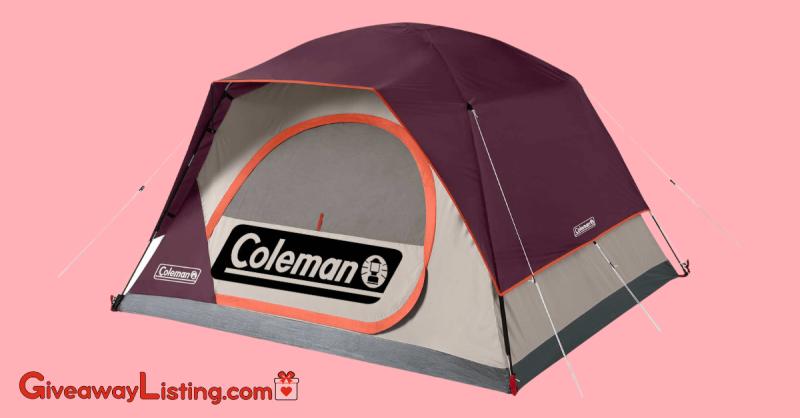
What Is The Fake Coleman Tent Giveaway?
Scammers publish sponsored posts across Facebook advertising free Coleman WeatherTec family tents. The marketing story claims Coleman is recruiting household product testers. Users are told they only need to fill out a short survey and cover a minor shipping cost to claim their high‑value camping tent.
Coleman’s real official websites include coleman.com, colemanuk.co.uk, coleman.eu and colemannz.co.nz. None of these official channels have ever released this “free tent for testers” campaign. All links from the scam posts direct to spoofed third‑party sites with no official connection to the real outdoor brand.
Major Red Flags Of This Facebook Scam
Red Flag 1: Unverified fake Facebook pages
The giveaway posts are posted on brand‑new Facebook pages with very few followers and minimal post history. These pages copy Coleman logos and product pictures but do not carry Meta’s blue verified checkmark. Real brand promotions are always released from the brand’s official verified social‑media accounts.
Red Flag 2: Suspicious, non‑official external websites
Links redirect to unauthorised spoof websites, instead of Coleman’s official domain names. Some of these risky sites may run background malware scripts, which can infect phones or laptops and expose private personal data to hackers, creating risks for ransomware and data breaches.
Red Flag 3: Fake comment‑section testimonials
You will find many comments pretending to be happy winners claiming “I have received my tent”. Most of these user accounts are either newly‑created fake profiles or hacked real accounts. All those positive reviews are fabricated social proof to trick other Facebook users.
Red Flag 4: Asking for payment for a “free” prize
Legitimate brand giveaways never require you to pay shipping, handling or processing fees to receive your free prize. Requiring credit‑card information for a supposed free gift is one of the clearest scam indicators.
Step‑by‑Step: How The Coleman Tent Giveaway Scam Works
Scammers publish eye‑catching sponsored posts on Facebook, using Coleman tent photos and false “product tester” narratives.
Curious users click the link inside the post and land on a fake spoofed website.
Visitors complete a simple survey, which gives the illusion they are being qualified for the free tent prize.
Users are prompted to enter their name, address and credit‑card information to pay what is advertised as a tiny shipping fee.
Hidden in extremely small fine‑print text on the checkout page is an agreement to sign‑up for a costly recurring online magazine or membership subscription.
After paying the so‑called shipping charge, victims begin seeing unexpected large monthly charges appear on their credit‑card statements.
Scammers never ship the Coleman tent. Users get no product at all while continuing to be billed every month.
What To Do If You Already Fell For The Scam
If you have submitted your payment details to this fake Coleman tent site, take these protective actions right away:
Contact your credit‑card issuer immediately: Request to cancel the fraudulent transaction and apply for a refund where possible.
Block recurring charges: Ask your bank to block further charges coming from this scam merchant. In serious cases, request a brand‑new credit or debit card number to stop future unauthorized withdrawals.
Run a full malware scan on all your devices: The scam website may have installed spyware or malware. Use trusted anti‑malware software to fully check your phone and computer.
Update all your important account passwords: Turn‑on two‑factor authentication for your email, banking and social‑media accounts, especially if malware was detected during scanning.
Save all evidence: Screenshots of ads, web‑pages, payment receipts and bank statements for potential dispute processes.
Report the scam post: Report the original Facebook giveaway post for misleading / fraudulent content on the platform.
How To Identify Fake Brand Giveaways On Social Media
Use these practical checks before joining any social‑media prize giveaway: ✅ Check official brand accounts: Confirm whether the giveaway is posted on the brand’s verified official social‑media page. If you cannot find it there, treat the offer as suspicious. ✅ Never pay fees for free prizes: Authentic giveaways will never ask you for shipping, tax or handling costs to claim your reward. Any request for card details for a “free gift” is a major warning sign. ✅ Check for spelling & grammar errors: Multiple obvious typos, broken sentences and awkward phrasing are common on scam posts and spoof websites. ✅ Search the offer online: Search the giveaway name plus the keyword “scam”. Real consumer complaints and warning articles will surface for fraudulent promotions. ✅ Inspect the website domain: Double‑check the web address. Watch for slightly mis‑spelled brand‑name domains that mimic official brand sites.
Frequently Asked Questions
Q: Is the Facebook Coleman Tent giveaway real?
A: No. Coleman has not launched this free‑tent‑for‑testers promotion. It is a social‑media scam operated by third‑party fraudsters.
Q: Will I actually get a Coleman tent if I pay the shipping fee?
A: Almost certainly no. Very few victims receive any item, while many get trapped into expensive monthly subscription billing.
Q: Why are they asking for my credit‑card for a free tent?
A: The small “shipping” payment is just bait. The real goal is getting your card details to activate hidden recurring‑subscription terms buried in fine print.
Q: Can malware from the scam website steal my personal data?
A: Yes. Some spoofed sites host malicious scripts. Run anti‑malware scanning if you have visited the link and entered your information.
Q: What should I do if I already entered my card information?
A: Reach out to your bank or credit‑card provider right away to dispute charges, block merchant withdrawals and consider replacing your card. Change account passwords and enable two‑factor authentication.
Final Verdict
The viral Facebook Coleman Tent giveaway is a classic hidden‑subscription social‑media scam. It uses well‑known outdoor‑brand imagery to build false trust, lures users with the dream of receiving a high‑quality free camping tent, then traps people in unwanted recurring monthly charges. No matter how convincing the posts and comment‑section fake testimonials appear, you should avoid clicking these links entirely.
Always verify giveaways through the brand’s verified official channels. If an offer looks too good to be true on social media, in most cases it is a fraud.
Disclaimer: This is independent consumer investigative reporting, not legal advice. If you suffer financial losses from online scams, please contact your financial institution and local consumer‑protection agency.